Reaction equation

[C:1]([N:11]1[CH2:18][CH:17]([OH:19])[CH2:16][C@H:12]1[C:13](O)=[O:14])([O:3][CH2:4][C:5]1[CH:10]=[CH:9][CH:8]=[CH:7][CH:6]=1)=[O:2].B.CSC.CO>C1COCC1>[CH2:4]([O:3][C:1]([N:11]1[CH:12]([CH2:13][OH:14])[CH2:16][CH:17]([OH:19])[CH2:18]1)=[O:2])[C:5]1[CH:10]=[CH:9][CH:8]=[CH:7][CH:6]=1Participants
5




Procedure
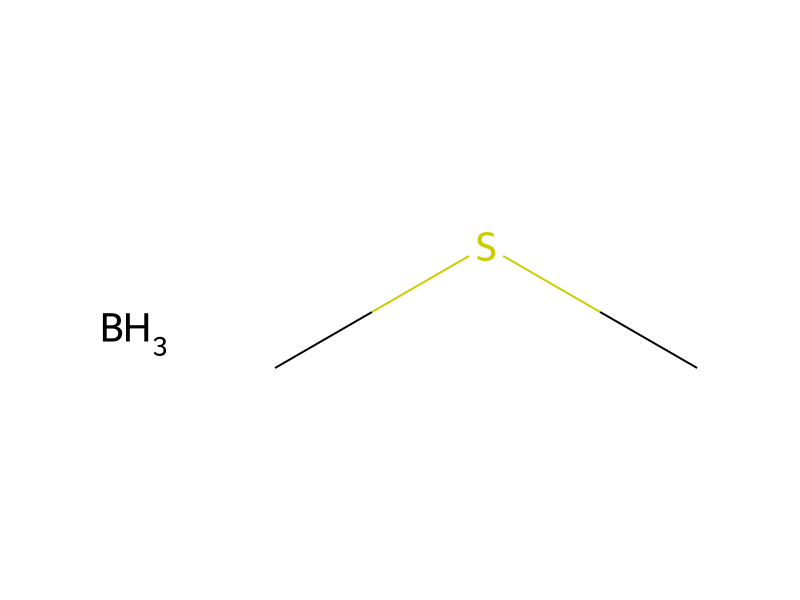
To a solution of N-CBz-4-hydroxy-L-proline (38.1 mmol) in 250 ml THF was added borane-methyl sulfide (78 mmol) dropwise at room temperature. After the evolution of H2 had ceased, the solution was heated to reflux with mechanical stirring. After 1 hour a white precipitate had formed. Methanol was carefully added, and the resulting solution refluxed for a further 15 minutes. The solution was cooled to room temperature, the solvents evaporated under reduced pressure, and the residual gum coevaporated with 2×100 ml MeOH. The product was obtained as a viscous oil in quantitative yield and identified by NMR.
Workup
- temperaturethe solution was heated
- temperatureto reflux with mechanical stirring
- customAfter 1 hour a white precipitate had formed
- temperaturethe resulting solution refluxed for a further 15 minutes
- customthe solvents evaporated under reduced pressure
- customThe product was obtained as a viscous oil in quantitative yield
Sources & evidence
- ORD record
- ord-2ea1988bfba749139c8eae86dd09a893
- Source dataset
- uspto-grants-1996_05
- Patent number
- US05519134
Linked notes
Loading…