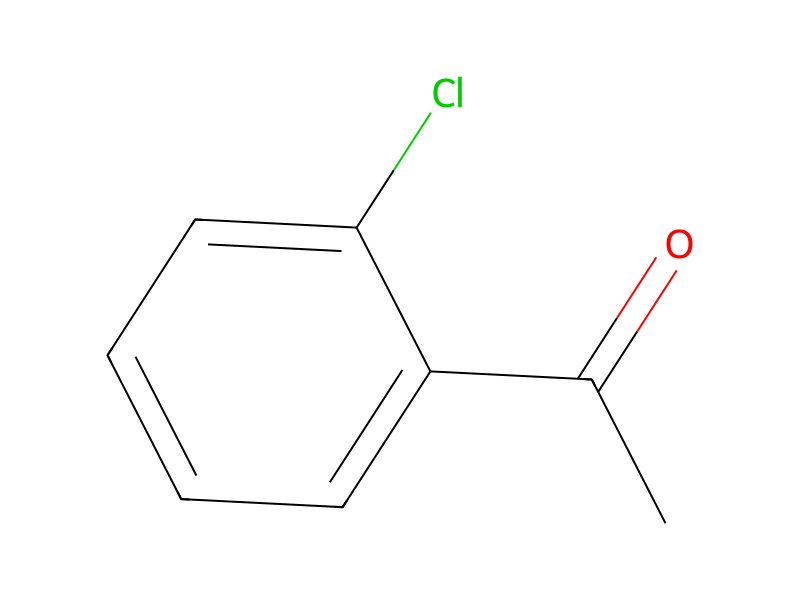
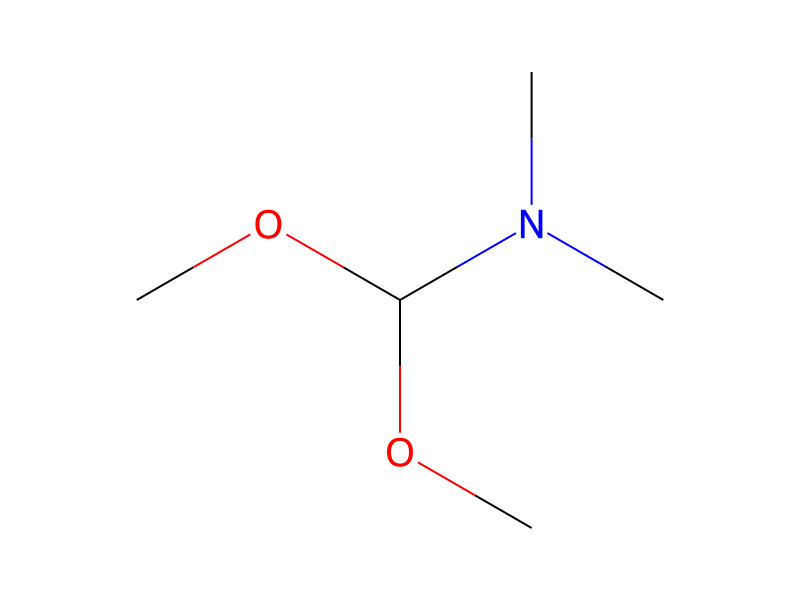
To a 5 liter, 3-necked flask equipped with a mechanical stirrer, thermometer, reflux condenser capped with a nitrogen inlet, and a heating mantle were added o-chloroacetophenone (305.8 g, 1.98 mol), N,N-dimethylformamide dimethyl acetal (707.0 g, 5.93 mol), and acetonitrile (dried over molecular sieves, 3.0 L) at room temperature, giving an orange solution. The mixture was heated gradually to reflux (83° C.) over 1.5 hours, then maintained at reflux for 18 hours. After the dark red solution was cooled to room temperature, the acetonitrile was evaporated, leaving a heavy red oil. The oil was redissolved in toluene (1 L). The toluene was evaporated to afford the crude enamine which was further dried under high vacuum overnight to afford 2'-chloro-3-dimethylaminopropenophenone (422 g, quantitative) which was used without further purification.