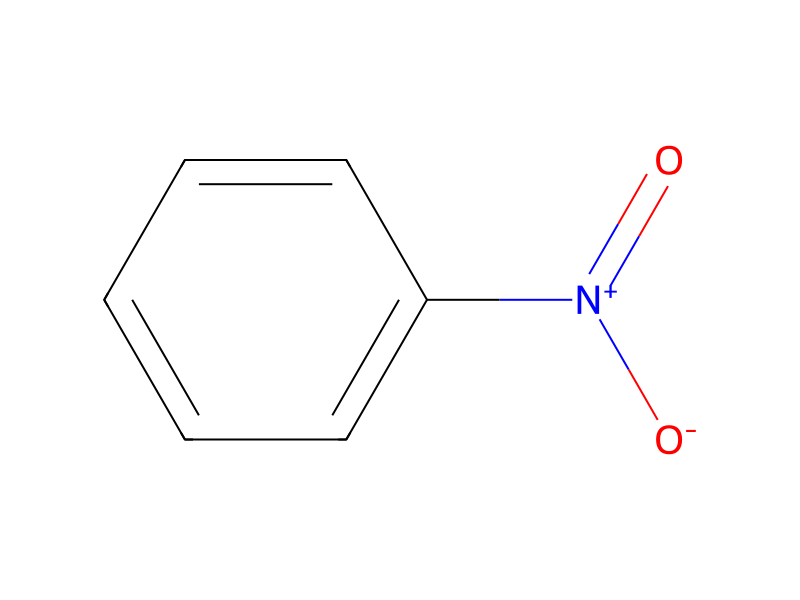
[C:1]1([NH:9][C:10]([NH2:12])=[O:11])[CH:6]=[CH:5][C:4]([CH3:7])=[CH:3][C:2]=1C.[N+](C1C=CC=CC=1)([O-])=O.[CH3:22][C:23]([C:25]1[CH:30]=[CH:29][CH:28]=[CH:27][CH:26]=1)=[CH2:24].Br>CCCCCC>[CH3:22][C:23]([NH:12][C:10]([NH:9][C:1]1[CH:2]=[CH:3][C:4]([CH3:7])=[CH:5][CH:6]=1)=[O:11])([CH3:24])[C:25]1[CH:30]=[CH:29][CH:28]=[CH:27][CH:26]=112.4 parts of 2,4 -xylylurea was suspended in 50 parts of nitrobenzene, and 30 parts of α-methylstyrene was added. The mixture was stirred while introducing anhydrous hydrobromic acid portionwise. When the amount of the mixture increased by 10 parts, the introduction of the hydrobromic acid was stopped. The reaction was then performed at 40° C. for 5 hours. The resulting reaction mixture was allowed to stand overnight. Then, 30 parts of n-hexane was added, and the mixture was further allowed to stand overnight. The precipitated crystals were recrystallized from 60% methanol to afford 13.4 parts of N-(α,α-dimethylbenzyl)-N'-(p-tolyl)urea having a melting point of 203° C.