Reaction equation

[Cl:1][C:2]1[CH:10]=[C:9]([C:11](O)=[O:12])[CH:8]=[C:7]([Cl:14])[C:3]=1[C:4]([OH:6])=[O:5].C1N=[CH:18][N:17](C(N2C=NC=C2)=O)[CH:16]=1.CNC>ClC1CC(C(C)C)CCC1(Cl)C>[Cl:1][C:2]1[CH:10]=[C:9]([C:11](=[O:12])[N:17]([CH3:18])[CH3:16])[CH:8]=[C:7]([Cl:14])[C:3]=1[C:4]([OH:6])=[O:5]Participants
5
Reactant 3
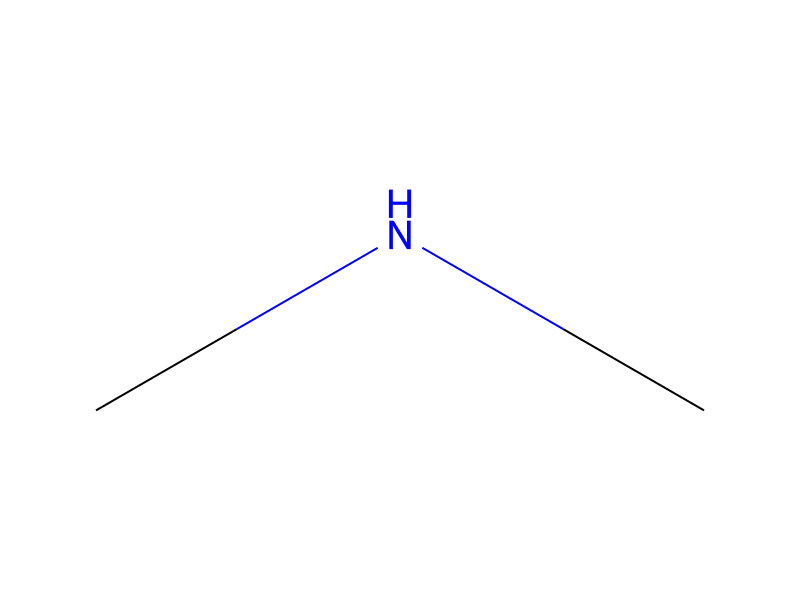


Product 1

Reagents, catalysts & solvents 1

Procedure
To a solution of 2,6-dichloroterephthalic acid (100 mg, 0.46 mmol) in dichloromenthane was added CDI (62 mg, 0.46 mmol) in one portion. The reaction mixture was stirred at room temperature for 1.5 hours and then dimethyl amine (1.0 M in THF, 2 mL, 2.0 mmol) was added. The reaction was concentrated under reduced pressure to give the crude 2,6-dichloro-4-(dimethylcarbamoyl)benzoic acid, which was used in the next step without further purification. 1H NMR (500 MHz, DMSO-d6): δ 14.35 (s, 1H), 7.56 (s, 2H), 2.97 (s, 3H), 2.89 (s, 3H).
Workup
- concentrationThe reaction was concentrated under reduced pressure
Sources & evidence
- ORD record
- ord-763c3c867a3e45b58807a5388d5794a5
- Source dataset
- uspto-grants-2013_07
- Patent number
- US08486950B2
Linked notes
Loading…