Reaction equation

Cl[C:2]1[CH:7]=[CH:6][N:5]=[C:4]([CH2:8][OH:9])[CH:3]=1.[NH:10]1[C:18]2[C:13](=[CH:14][C:15]([OH:19])=[CH:16][CH:17]=2)[CH:12]=[CH:11]1.C(=O)([O-])[O-].[Cs+].[Cs+].C(Cl)Cl>CN(C=O)C.[Cl-].[Na+].O>[NH:10]1[C:18]2[C:13](=[CH:14][C:15]([O:19][C:2]3[CH:7]=[CH:6][N:5]=[C:4]([CH2:8][OH:9])[CH:3]=3)=[CH:16][CH:17]=2)[CH:12]=[CH:11]1Participants
7


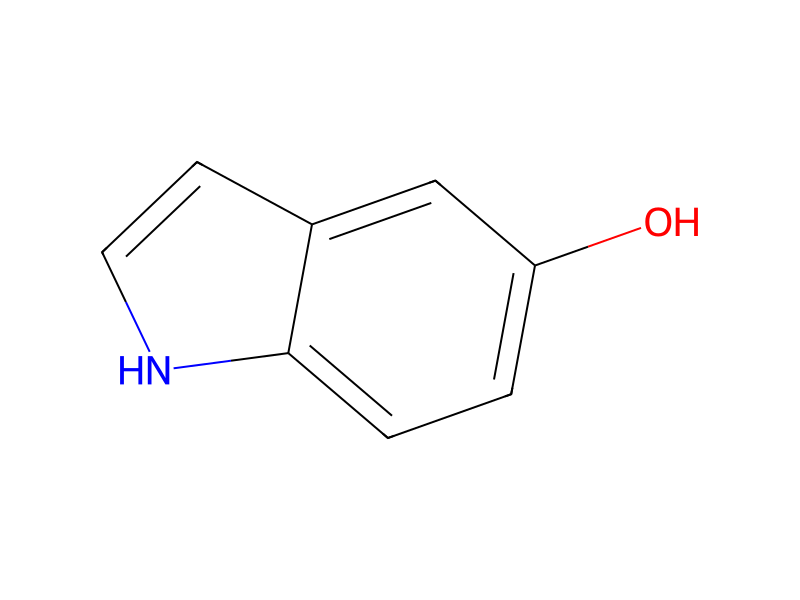




Conditions
- Temperature
- 160 °C
Procedure
To a solution of (4-chloropyridin-2-yl)methanol (384 mg, 2.67 mmol) in DMF (12 mL) is added 1H-indol-5-ol (534 mg, 4.01 mmol), and cesium carbonate (1307 mg, 4.01 mmol). The reaction is sealed and heated to 160° C. via microwave irradiation for 30 min. The reaction mixture is then cooled to room temperature and diluted brine and DCM. The resulting layers are separated and the aqueous layer is extracted three additional times with DCM. The organic layers are combined dried over anhydrous Na2SO4, filtered, and concentrated. The resulting residue is purified via FCC (0-100% EtOAc/heptane) to give the title compound. MS (ESI) m/z 241.2 (M+1).
Workup
- customThe reaction is sealed
- temperatureThe reaction mixture is then cooled to room temperature
- customThe resulting layers are separated
- extractionthe aqueous layer is extracted three additional times with DCM
- dry with materialThe organic layers are combined dried over anhydrous Na2SO4
- filtrationfiltered
- concentrationconcentrated
- customThe resulting residue is purified via FCC (0-100% EtOAc/heptane)
Sources & evidence
- ORD record
- ord-047362d79109474b93c5a709430068f9
- Source dataset
- uspto-grants-2013_07
- Patent number
- US08486954B2
Linked notes
Loading…