Reaction equation

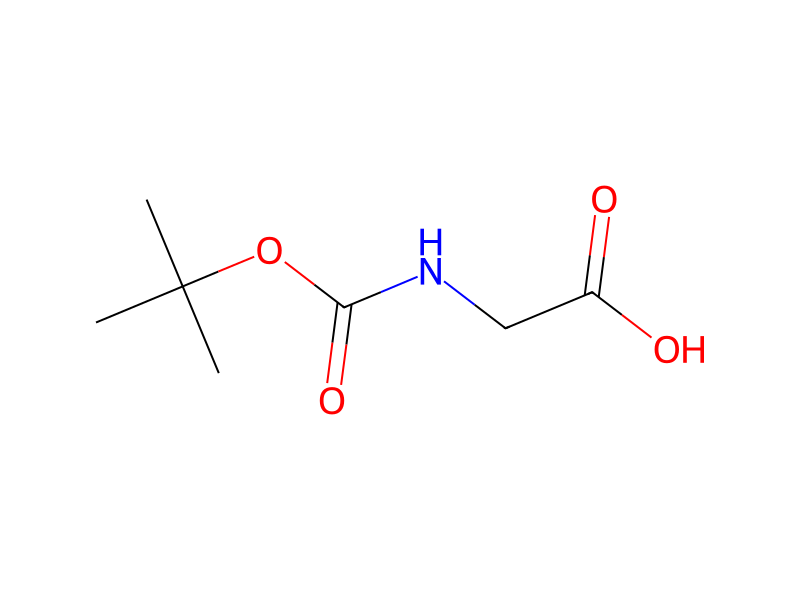
[CH:1]1([CH2:7]CC(O)=O)[CH2:6][CH2:5][CH2:4][CH2:3][CH2:2]1.[N+:12]([C:15]1[CH:16]=[C:17]([CH:22]=[CH:23][CH:24]=1)C(=O)CBr)([O-:14])=[O:13].C(O[C:30]([NH:32][CH2:33][C:34](O)=O)=O)(C)(C)C.[N:37]([C:40]1C=CC(C(=O)CBr)=CC=1)=[N+]=[N-]>>[CH:1]1([CH2:7][CH2:34][C:33]2[NH:37][CH:40]=[C:30]([C:23]3[CH:22]=[CH:17][CH:16]=[C:15]([N+:12]([O-:14])=[O:13])[CH:24]=3)[N:32]=2)[CH2:2][CH2:3][CH2:4][CH2:5][CH2:6]1Participants
5




Procedure
This compound is prepared according to an operating method analogous to that described for Stage 4.1 of Example 4, with cyclohexylethylcarboxylic acid and 3-nitrophenacyl bromide placing N-(tert-butoxycarbonyl)-glycine and 4-azidophenacyl bromide respectively. The expected compound is obtained in the form of a yellow powder with a yield of 26%.
Workup
- customThis compound is prepared
Sources & evidence
- ORD record
- ord-888ec7bdd9894376a72ebe9c688b6941
- Source dataset
- uspto-grants-2007_03
- Patent number
- US07192975B2
Linked notes
Loading…