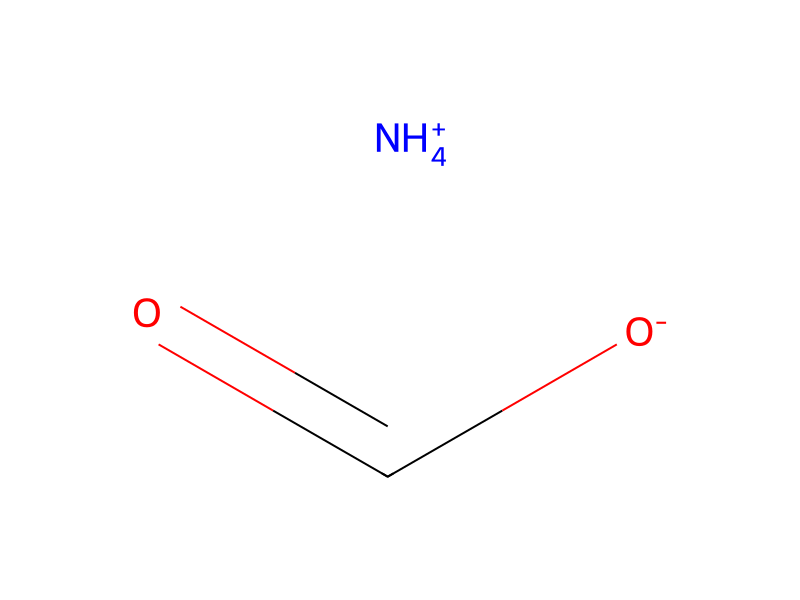
C([O-])=O.[NH4+].C([N:12]1[CH2:17][C:16](=[O:18])[N:15]([C:19]2[CH:24]=[C:23]([CH2:25][C:26]3[C:35]4[C:30](=[CH:31][CH:32]=[CH:33][CH:34]=4)[C:29](=[O:36])[NH:28][N:27]=3)[CH:22]=[CH:21][C:20]=2[F:37])[C:14](=[O:38])[CH2:13]1)C1C=CC=CC=1.CO>O.[Pd]>[F:37][C:20]1[CH:21]=[CH:22][C:23]([CH2:25][C:26]2[C:35]3[C:30](=[CH:31][CH:32]=[CH:33][CH:34]=3)[C:29](=[O:36])[NH:28][N:27]=2)=[CH:24][C:19]=1[N:15]1[C:14](=[O:38])[CH2:13][NH:12][CH2:17][C:16]1=[O:18]A solution of ammonium formate (0.55 g, 8.8 mmol) in water (5 ml) was added to a stirred mixture of 4-benzyl-1-[2-fluoro-5-(4-oxo-3,4-dihydrophthalazin-1-ylmethyl)phenyl]piperazine-2,6-dione (1 g, 2.2 mmol; prepared in a manner similar to that described in Example 31), 10% palladium on carbon catalyst (0.33 g) and methanol (15 ml), the mixture was heated under reflux for 1 hour, then it was cooled to ambient temperature and filtered through a pad of Celite filter aid. The filter pad was washed with methanol (50 ml), then the combined filtrate and washings were concentrated in vacuo. The residue was diluted with water (20 ml), the product was extracted into ethyl acetate (4×20 ml), the combined extracts were dried (MgSO4) and the solvent was removed in vacuo to give 1-[2-fluoro-5-(4-oxo-3,4-dihydrophthalazin-1-ylmethyl)phenyl]piperazine-2,6-dione (0.8 g) as a pale brown solid, 250 MHz 1H-nmr (d6-DMSO) δ (ppm): 3.3 (2× overlapping d, 4H) (2×ring CH2), 4.25 (s, 2H) (ArCH2—), 6.95–7.2 (m, 2H) (2×ArH), 7.7–7.9 (m, 3H) (3×ArH), 7.95 (d, 1H) (ArH), 8.2 (d, 1H) (ArH), 9.7 (s, 1H) (piperazine NH), 12.6 (s, 1H) (CONH).
Loading…