Reaction equation

[CH3:1][C:2]([CH3:7])([CH2:5][OH:6])[CH2:3][OH:4].[Cl:8][C:9]1[CH:10]=[C:11]([CH:16]=[C:17]([Cl:20])[C:18]=1[OH:19])[C:12](OC)=[O:13]>C([O-])(=O)C.[Ca+2].C([O-])(=O)C.[Sb]=O>[CH3:1][C:2]([CH3:7])([CH2:5][O:6][C:12]([C:11]1[CH:16]=[C:17]([Cl:20])[C:18]([OH:19])=[C:9]([Cl:8])[CH:10]=1)=[O:13])[CH2:3][O:4][C:12]([C:11]1[CH:16]=[C:17]([Cl:20])[C:18]([OH:19])=[C:9]([Cl:8])[CH:10]=1)=[O:13]Participants
5


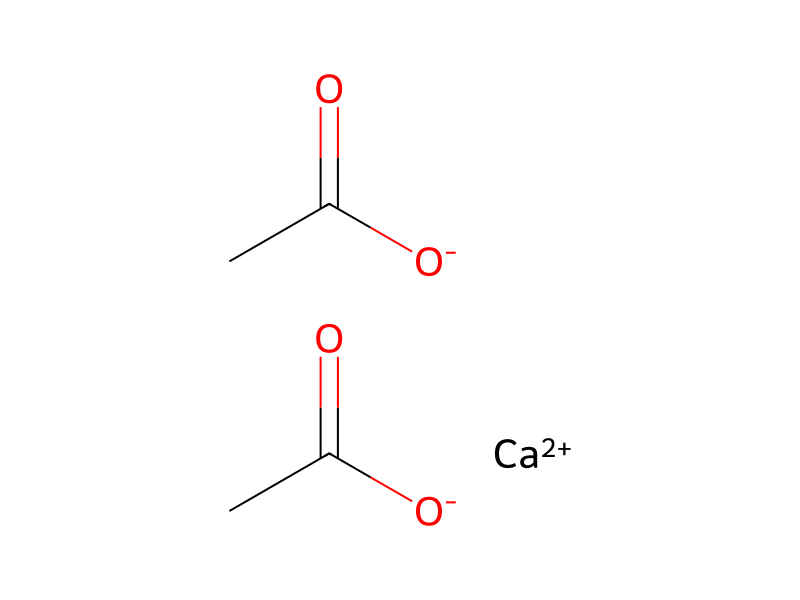

Conditions
- Temperature
- 200 °C
Procedure
A mechanically stirred mixture of 0.6 g of calcium acetate, 0.6 g of antimony oxide, 15.7 g (0.15 M) of 2,2-dimethyl-1,3-propanediol, and 132 g (0.6 mole) of methyl 3,5-dichloro-4-hydroxybenzoate was heated under a nitrogen atmosphere at 200° C for 18 hours. The reaction mixture was washed three times with benzene in a Waring Blendor and extracted for five days with 2 liters of hot benzene. The extract, on cooling, yielded 50.5 g of 4,4'-[2,2-dimethyl-1,3-propanediylbis(oxycarbonyl)]bis-(2,6-dichlorophenol) melting at 180°-181° C. The infrared spectrum was consistent with the indicated structure. The compound contained 4.115 meq. of OH/g, indicating a molecular weight of 486 for the bisphenol.
Workup
- washThe reaction mixture was washed three times with benzene in a Waring Blendor
- extractionextracted for five days with 2 liters of hot benzene
- temperatureThe extract, on cooling
Sources & evidence
- ORD record
- ord-44a7d5e026dd465f9f9e20fc0ef3b732
- Source dataset
- uspto-grants-1977_12
- Patent number
- US04065432
Linked notes
Loading…