Reaction equation

C1OC1C.[CH2:5]1[O:7][CH2:6]1.C(OC)=C.[CH3:12][O:13][CH:14]([O:21][CH3:22])[CH2:15][CH:16]([O:19][CH3:20])[O:17][CH3:18].COC(OC)CC1OCCO1.COC(OC(OC)CC(OC)OC)C>C(OC)=O>[CH3:22][O:21][CH:14]([O:13][CH2:12][CH2:6][O:7][CH3:5])[CH2:15][CH:16]1[O:19][CH2:20][CH2:18][O:17]1Participants
8
Reactant 6


Product 1

Reagents, catalysts & solvents 1
Procedure
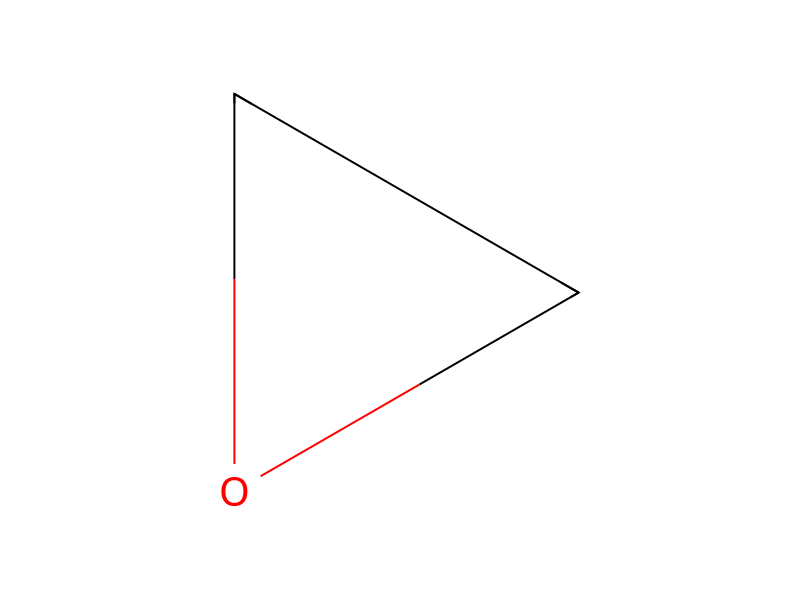
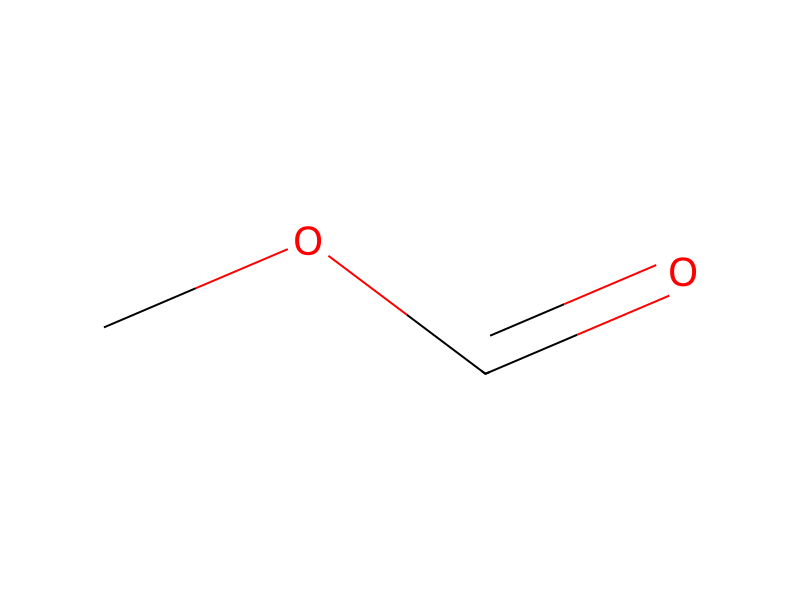
The procedure described in Example 4 is followed, but instead of the propylene oxide solution 107 parts by volume/hour of a 50 percent strength by weight solution of ethylene oxide in methyl formate are used. In this example, only 40 parts by volume/hour of the methyl vinyl ether solution are employed. After working up as in Example 4, a mixture of 1,1,3,3-tetramethoxypropane, 2-(2',2'-dimethoxyethyl)-(1,3)-dioxolane, malondialdehyde bis-(ethyleneacetal), 1-methoxyethoxy-1,3,3-trimethoxypropane and 2-(2'-methoxy-2'-methoxyethoxy-ethyl)-(1,3)-dioxolane is obtained as the end product, the composition being as in Example 2.
Sources & evidence
- ORD record
- ord-c21d9f2965cf4dc7b5c827d9ae82703b
- Source dataset
- uspto-grants-1985_05
- Patent number
- US04518785
Linked notes
Loading…