HomeMCPWorkbenchSkills
HomeWorkbenchNotificationsMe
llms.txt · MCP GuidePrivacy Policy · Terms of Service · Supportv1.8.0
  1. Home
  2. /Reaction

Diisopropyl Ether → Ethyl 2-methoxyimino-3,3-ethylenedioxy-4-chlorobutyrate

HRID 463383
Notes
Print preview

Reaction equation

HRID 463383 reaction equation
[CH3:1][O:2][N:3]=[C:4]([C:10]1([O:15][CH2:14][CH2:13][O:12]1)[CH3:11])[C:5]([O:7][CH2:8][CH3:9])=[O:6].[Cl-].[Li+].S(Cl)([Cl:21])(=O)=O.C(OC(C)C)(C)C>C(O)(=O)C.O>[CH3:1][O:2][N:3]=[C:4]([C:10]1([O:12][CH2:13][CH2:14][O:15]1)[CH2:11][Cl:21])[C:5]([O:7][CH2:8][CH3:9])=[O:6]
ParticipantsProcedureWorkupSources & evidenceReaction notes

Participants

7

Reactant 4

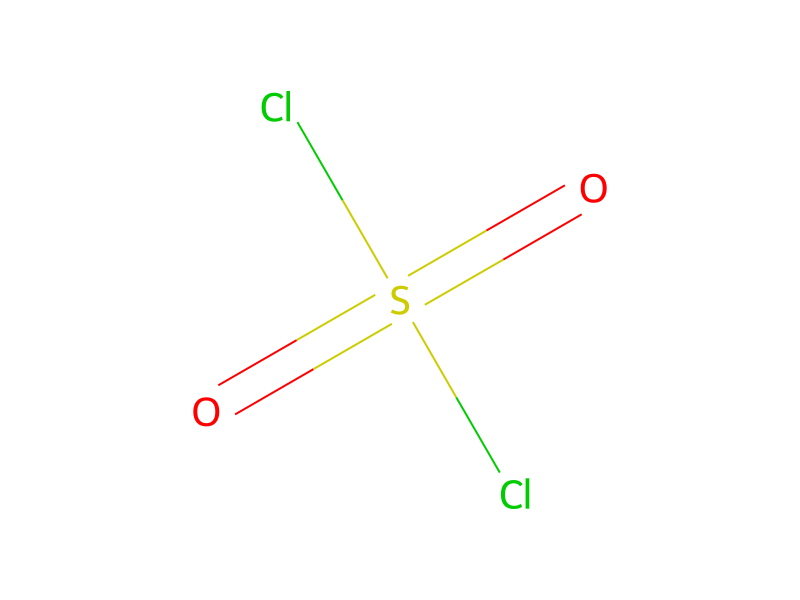
HCID 7914Diisopropyl EtherHCID 24648Sulfuryl chlorideHCID 433294Lithium ChlorideHCID 54382027Ethyl 2-methoxyimino-3,3-ethylenedioxybutyrate

Product 1

HCID 54025463Ethyl 2-methoxyimino-3,3-ethylenedioxy-4-chlorobutyrate

Reagents, catalysts & solvents 2

HCID 176
Acetic Acid
Solvent
HCID 962WaterSolvent

Procedure

To a solution of ethyl 2-methoxyimino-3,3-ethylenedioxybutyrate (syn isomer, 30 g) in acetic acid (150 ml) was added lithium chloride (7 g) and the mixture was stirred for 15 minutes at ambient temperature. To the mixture was added dropwise sulfuryl chloride (22.4 g), and the mixture was stirred for one hour at ambient temperature and then allowed to stand for overnight. To the reaction mixture was added water (600 ml) under ice-cooling and stirring, and diisopropyl ether (400 ml) was added thereto and then stirred. The diisopropyl ether layer was separated, and the remaining aqueous layer was further extracted with diisopropyl ether. The diisopropyl ether layer and extract were combined together, washed with water, a saturated aqueous solution of sodium bicarbonate, water and a saturated aqueous solution of sodium chloride in turn, dried over magnesium sulfate and then filtered. The filtrate was concentrated and the residual oil (31.2 g) was distilled under reduced pressure to give ethyl 2-methoxyimino-3,3-ethylenedioxy-4-chlorobutyrate (syn isomer), bp 104°-106° C./0.32-0.35 mmHg.


Workup

  1. stirringthe mixture was stirred for one hour at ambient temperature
  2. waitto stand for overnight
  3. temperaturecooling
  4. stirringstirring
  5. stirringstirred
  6. customThe diisopropyl ether layer was separated
  7. extractionthe remaining aqueous layer was further extracted with diisopropyl ether
  8. extractionThe diisopropyl ether layer and extract
  9. washwashed with water
  10. dry with materiala saturated aqueous solution of sodium bicarbonate, water and a saturated aqueous solution of sodium chloride in turn, dried over magnesium sulfate
  11. filtrationfiltered
  12. concentrationThe filtrate was concentrated
  13. distillationthe residual oil (31.2 g) was distilled under reduced pressure

Sources & evidence

ORD record
ord-320a9666c02b4bb6a92a4b786d6ef09f
Source dataset
uspto-grants-1985_05
DOI
10.6084/m9.figshare.5104873.v1
Patent number
US04518774

Reaction notes

Loading…

On this pageParticipantsProcedureWorkupSources & evidenceReaction notes