Reaction equation

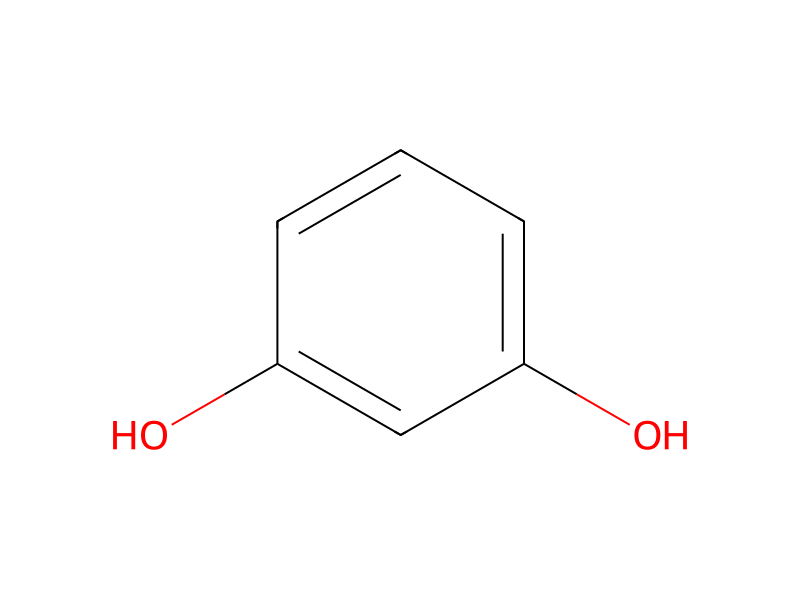
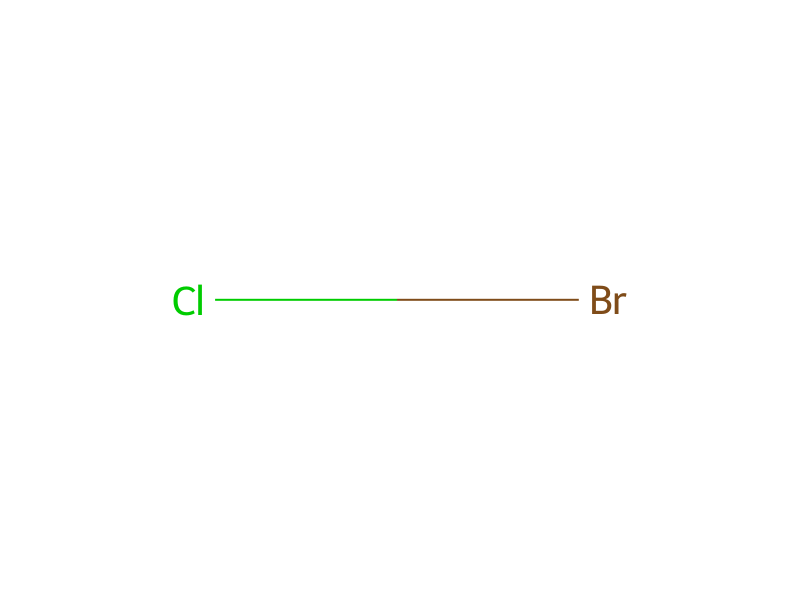
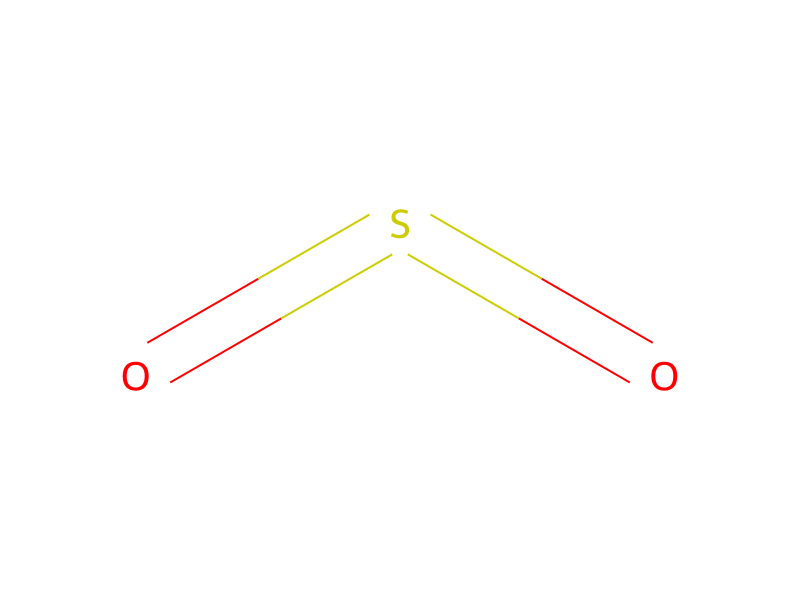
[Br:1]Cl.C(=O)=O.[CH2:6]([C:10]1[CH:15]=[CH:14][CH:13]=[CH:12][CH:11]=1)[CH:7]([CH3:9])[CH3:8].C1(C=CC=C(O)C=1)O>S(=O)=O>[CH2:6]([C:10]1[CH:15]=[CH:14][CH:13]=[CH:12][CH:11]=1)[CH:7]([CH3:9])[CH3:8].[Br:1][C:13]1[CH:14]=[CH:15][C:10]([CH2:6][CH:7]([CH3:9])[CH3:8])=[CH:11][CH:12]=1Participants
7



Procedure
Bromine chloride (Dow, 1.12 g, 9.7 milliMoles) is condensed in a tube using Dry Ice cooling, then it is diluted with 20 ml of liquid sulfur dioxide and the resultant solution is cooled to -72° C. Isobutylbenzene (1.57 ml, 10.0 milliMoles) is added, and the resultant mixture is stirred at -70° for 65 minutes before quenched with 1.2 grams (10.9 milliMoles) of resorcinol. Workup and analysis as above gives 8% isobutylbenzene, 6% ortho-, and 83% para-bromoiso-butylbenzene. This result indicates that the bromination with bromine chloride is faster than that with molecular bromine, and the extent of ortho-bromination is somewhat higher.
Workup
- customcondensed in a tube
Sources & evidence
- ORD record
- ord-73dfa99b33ee49ca9fdb289c85b6b32f
- Source dataset
- uspto-grants-1985_05
- Patent number
- US04518799
Linked notes
Loading…