HomeMCPSkillsWorkbenchOpenChem
HomeWorkbenchNotificationsMe
llms.txt · skill.md · MCP GuidePrivacy Policy · Terms of Service · Supportv1.8.5
  1. Home
  2. /Reaction

Chloroacetyl chloride → Ethyl 2-(chloromethyl)-1,3-benzoxazole-5-carboxylate

HRID 465046
Print

Reaction equation

[OH:1][C:2]1[CH:12]=[CH:11][C:5]([C:6]([O:8][CH2:9][CH3:10])=[O:7])=[CH:4][C:3]=1[N+:13]([O-])=O.[Cl:16][CH2:17][C:18](Cl)=O.P(Cl)(Cl)(Cl)=O>[Ni].C(O)C>[Cl:16][CH2:17][C:18]1[O:1][C:2]2[CH:12]=[CH:11][C:5]([C:6]([O:8][CH2:9][CH3:10])=[O:7])=[CH:4][C:3]=2[N:13]=1
ParticipantsProcedureSources & evidenceReaction notes

Participants

6

Reactant 3

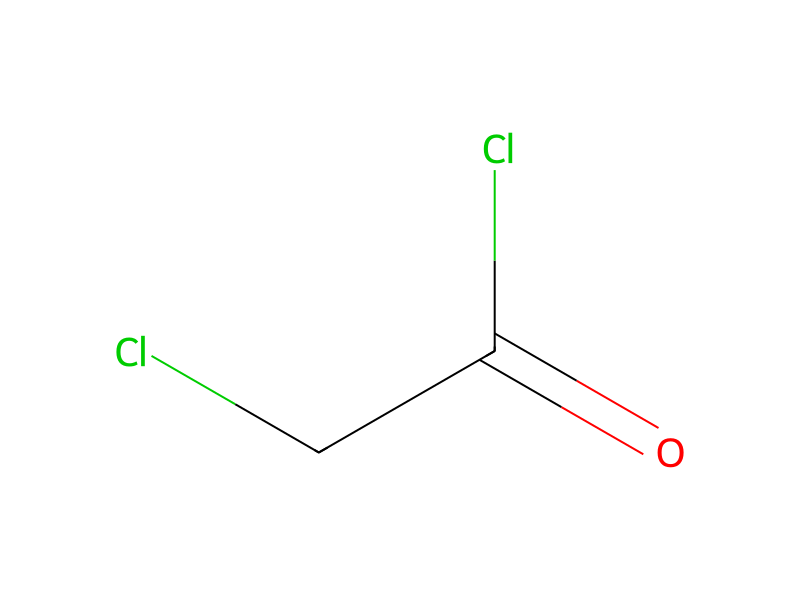
HCID 6577Chloroacetyl chlorideHCID 24813Phosphorus oxychlorideHCID 87895Benzoic acid, 4-hydroxy-3-nitro-, ethyl ester

Product 1

HCID 15211498Ethyl 2-(chloromethyl)-1,3-benzoxazole-5-carboxylate

Reagents, catalysts & solvents 2

HCID 935NickelCatalyst
HCID 702
Ethanol
Solvent

Procedure

Ethyl 4-hydroxy-3-nitrobenzoate (32 g) prepared according to the method described in J. Org. Chem., vol. 26, p. 2223 (1961) was subjected to reduction under increased pressure at 70 atm in the presence of a Raney Nickel catalyst in absolute ethanol (200 ml). The product was then caused to react with chloroacetyl chloride, and was subsequently subjected to ring closure with phosphorous oxychloride to yield 2-chloromethyl-5-ethoxycarbonylbenzoxazole (27.3 g). The chloromethyl compound (10 g) was caused to react with dimethylamine to yield 2-dimethylaminomethyl-5-ethoxycarbonylbenzoxazole (6 g), which was subsequently subjected to reduction with lithium aluminium hydride in anhydrous tetrahydrofuran (60 ml) thereby to obtain 2-dimethylaminomethyl-5-hydroxymethylbenzoxazole (2 g).

Sources & evidence

ORD record
ord-f637b528364845b0bd11923a64889953
Source dataset
uspto-grants-1985_10
DOI
10.6084/m9.figshare.5104873.v1
Patent number
US04550118

Reaction notes

On this pageParticipantsProcedureSources & evidenceReaction notes


