Hydrochloric Acid → 2-(4-Hydroxyphenyl)indole
HRID 46714
Reaction equation

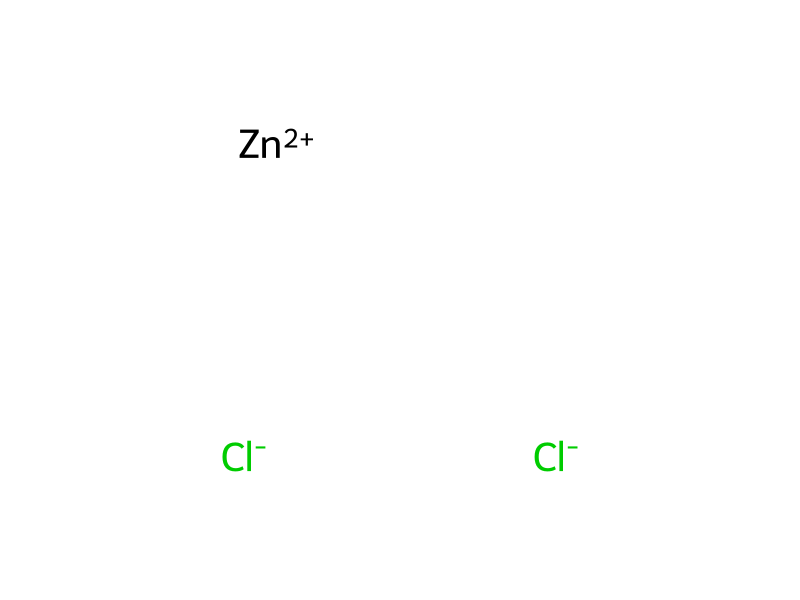
[CH3:1][C:2]([C:4]1[CH:5]=[CH:6][C:7]([OH:10])=[CH:8][CH:9]=1)=O.[C:11]1([NH:17]N)[CH:16]=[CH:15][CH:14]=[CH:13][CH:12]=1.Cl>[Cl-].[Zn+2].[Cl-]>[OH:10][C:7]1[CH:6]=[CH:5][C:4]([C:2]2[NH:17][C:11]3[C:16]([CH:1]=2)=[CH:15][CH:14]=[CH:13][CH:12]=3)=[CH:9][CH:8]=1Participants
4
Reactant 2


Product 1

Reagents, catalysts & solvents 1
Procedure
4-Hydroxyacetophenone phenylhydrazine (47 g.) was fused with 250 g. zinc chloride (10 min. at 180° C.), poured into 3 1. of 0.3 N HCl, heated and stirred for one hour on the steam bath, cooled to 0° and filtered. The precipitant was extracted with boiling pet. ether and allowed to stand. 2-(4-Hydroxyphenyl)indole (17 g., m.p. 224°-229°) was isolated. A well-stirred mixture of 2-(4-hydroxyphenyl)indole (0.1 mole), iodoethane (0.1 mole) and sodium bicarbonate (0.12 mole) in 200 ml. of acetone was refluxed overnight. After 400 ml. of water was added, the product 2-(4-hydroxyphenyl)-1-ethylindole (A) was filtered out. Then A was reacted with 4,4'-bis(2-bromoethoxy)-2-hydroxybenzophenone as in Example 1 to produce Compound VII.