Tetrahydrofuran → 4-Phenylbut-3-en-2-ol
Reaction equation

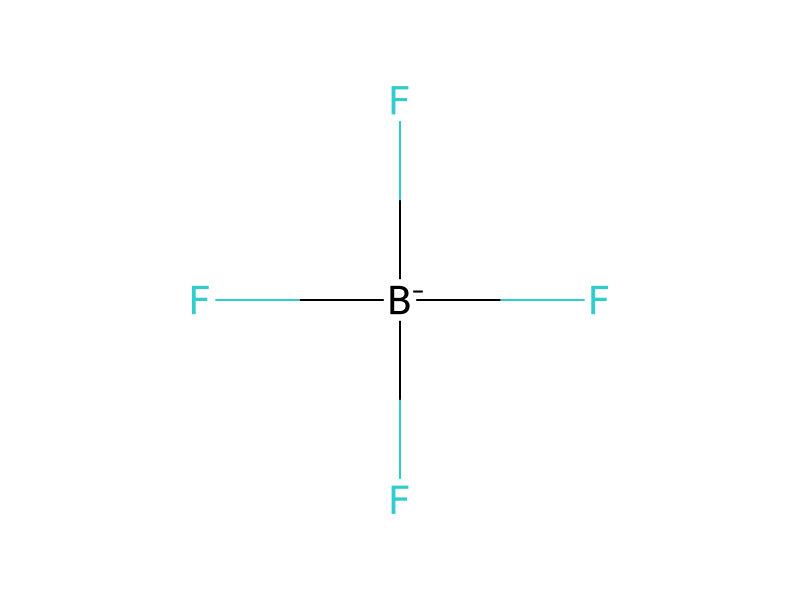
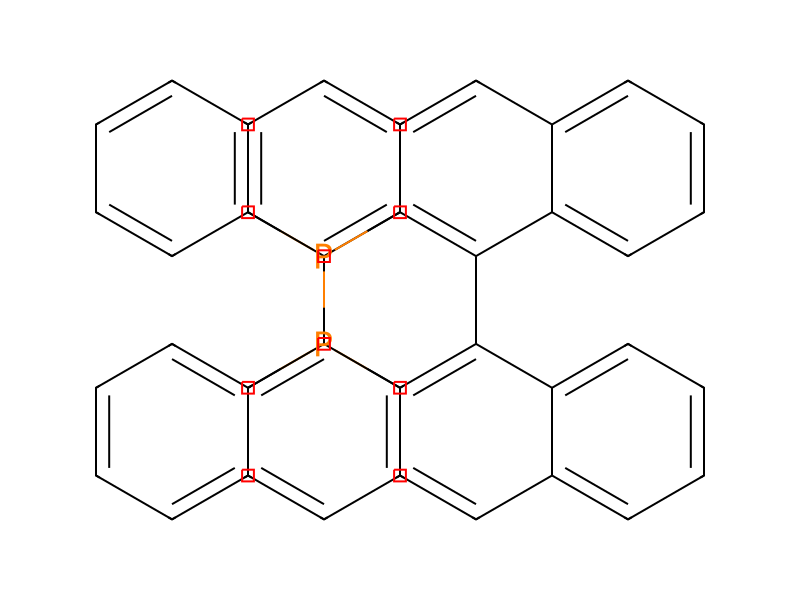
[CH:1](=[CH:8][C:9](=[O:11])[CH3:10])[C:2]1[CH:7]=[CH:6][CH:5]=[CH:4][CH:3]=1.C1C=CC(P(C2C=CC3C(=CC=CC=3)C=2C2C3C(=CC=CC=3)C=CC=2P(C2C=CC=CC=2)C2C=CC=CC=2)C2C=CC=CC=2)=CC=1.F[B-](F)(F)F.O1CCCC1>CO>[C:2]1([CH:1]=[CH:8][CH:9]([OH:11])[CH3:10])[CH:7]=[CH:6][CH:5]=[CH:4][CH:3]=1Participants
Reactant 4


Product 1

Reagents, catalysts & solvents 1

Procedure
In a 200 ml stainless steel autoclave were charged 5 g (34.2 mmole) of benzalacetone and 0.213 g (0.171 mmole) of ##STR24## ((+)-BINAP)}BF4 synthesized in Example 4, and 3 ml of tetrahydrofuran and 2 ml of methanol were added thereto, followed by allowing the mixture to react at 30° C. under a hydrogen pressure of 50 kg/cm2 for 45 hours. The solvent was removed by distillation under reduced pressure (10 mmHg), and the reaction product was analyzed by GLC (PEG HT, 25 m, produced by Gasukuro Kogyo K. K.) to find the conversion to be 34.5%. The product was separated into the unreacted ketone and the hydrogenation product by silica gel column chromatography (eluent: hexane/ethyl acetate=4/1 by volume) to obtain 1.73 g of 4-phenyl-3-buten-2-ol having a purity of 89%. {α}25 D : +18.1°(c=5, CS2).
Workup
- additionwere added
- customto react at 30° C. under a hydrogen pressure of 50 kg/cm2 for 45 hours
- customThe solvent was removed by distillation under reduced pressure (10 mmHg)
- customthe reaction product was analyzed by GLC (PEG HT, 25 m, produced by Gasukuro Kogyo K. K.)
- customThe product was separated into the unreacted ketone
Sources & evidence
- ORD record
- ord-ea4636c2ea984d078b6dc3a3f070d495
- Source dataset
- uspto-grants-1992_10
- Patent number
- US05159093
Reaction notes
Loading…