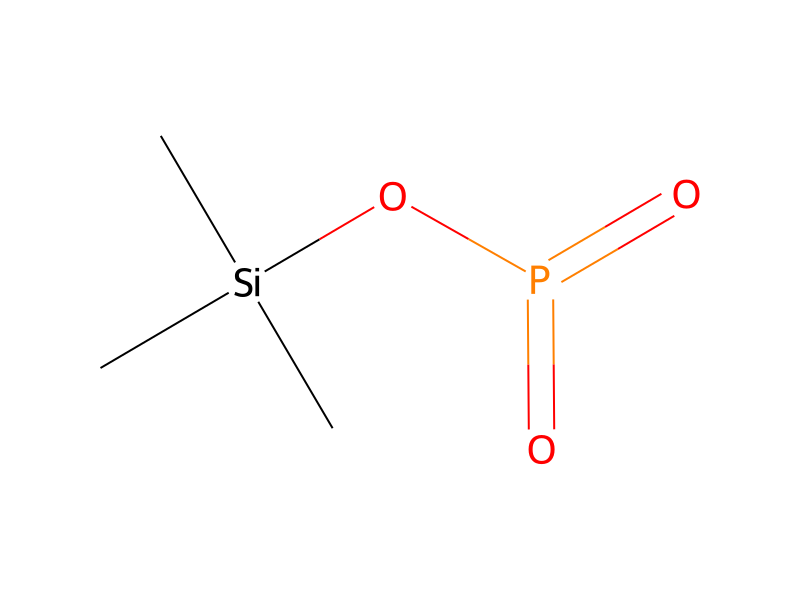
[F:1][C:2]([F:13])([C:6]1[CH:11]=[CH:10][C:9]([F:12])=[CH:8][N:7]=1)[C:3]([O-])=O.[Na+].[NH2:15][C:16]1[CH:24]=[C:23]([Br:25])[CH:22]=[CH:21][C:17]=1[C:18]([NH2:20])=[O:19].C[Si](OP(=O)=O)(C)C.CCOC(C)=O>O>[Br:25][C:23]1[CH:24]=[C:16]2[C:17]([C:18]([OH:19])=[N:20][C:3]([C:2]([F:13])([F:1])[C:6]3[CH:11]=[CH:10][C:9]([F:12])=[CH:8][N:7]=3)=[N:15]2)=[CH:21][CH:22]=1To a mixture of sodium 2,2-difluoro-2-(5-fluoropyridin-2-yl)acetate from Example 2 Step B (2.05 g, 9.62 mmol) and 2-amino-4-bromobenzamide (1.89 g, 8.75 mmol) was added trimethylsilyl polyphosphate (˜15 mL) and the mixture was stirred overnight at 120° C. Equal volumes of EtOAc and water were added and the resulting solution was stirred for 1 h. The EtOAc layer was washed with brine, dried over Na2SO4 and then concentrated under reduced pressure. Et2O was added and evaporated. Trituration of the residue with hexanes, followed by collection of the solid by filtration afforded 7-bromo-2-(difluoro(5-fluoropyridin-2-yl)methyl)quinazolin-4-ol (2.49 g, 77%). 1H NMR (300 MHz, DMSO-d6) δ 11.37 (s, 1H), 8.76 (s, 1H), 7.97-8.07 (m, 2H), 7.88 (d, J=8.3 Hz, 1H), 7.69-7.81 (m, 2H);