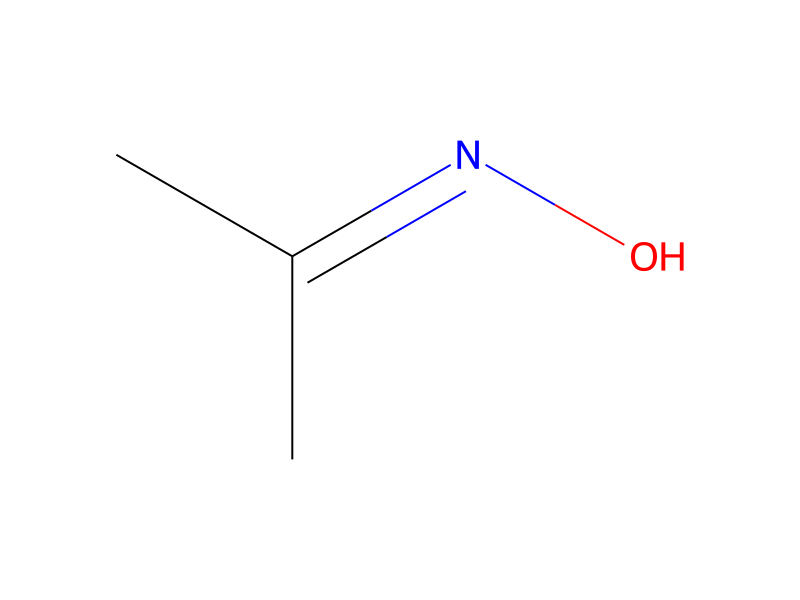
[CH3:1][C:2](=[N:4][OH:5])[CH3:3].CC(C)([O-])C.[K+].[Br:12][C:13]1[CH:18]=[CH:17][C:16]([C:19]([C:21]2[CH:26]=[CH:25][CH:24]=[CH:23][C:22]=2[CH:27]([O:31][CH2:32][CH3:33])[O:28][CH2:29][CH3:30])=[O:20])=[C:15](F)[CH:14]=1>O1CCCC1.O>[Br:12][C:13]1[CH:14]=[CH:15][C:16]([C:19]([C:21]2[CH:26]=[CH:25][CH:24]=[CH:23][C:22]=2[CH:27]([O:28][CH2:29][CH3:30])[O:31][CH2:32][CH3:33])=[O:20])=[C:17]([O:5][N:4]=[C:2]([CH3:3])[CH3:1])[CH:18]=1To a mechanically stirred solution of acetone oxime (20.33 g) in tetrahydrofuran (500 mL) under nitrogen was added a solution of 1M potassium tert-butoxide in tetrahydrofuran (325 mL) while cooling in an ice water bath. The thick white suspension was stirred at 20° C. for 20 min then a solution of (4-bromo-2-fluorophenyl)(2-(diethoxymethyl)phenyl)methanone (Compound 2a) (118 g) in tetrahydrofuran (400 mL) was added over 20 min and the resulting pale orange suspension stirred at room temperature for 1 h then refluxed for 2 h. The reaction mixture was diluted with water (680 mL) and extracted into ethyl acetate. The combined organic layers were washed with brine, dried over anhydrous magnesium sulfate and evaporated to give the title compound (116 g).