Reaction equation

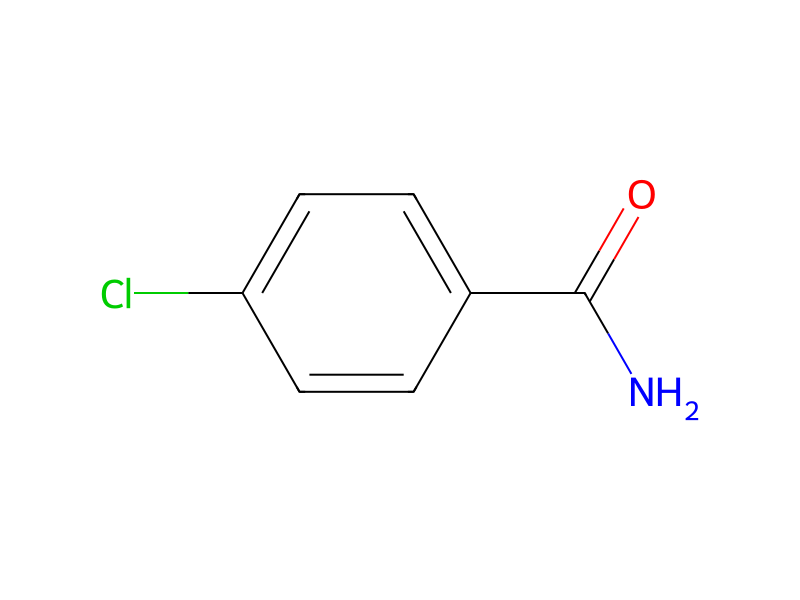
[NH:1]1[C:5]2[CH:6]=[CH:7][CH:8]=[CH:9][C:4]=2[N:3]=[N:2]1.[Cl:10][C:11]1[CH:19]=[CH:18][C:14]([C:15]([NH2:17])=[O:16])=[CH:13][CH:12]=1.[CH3:20][C:21]1[CH2:26][CH2:25][CH2:24][C:23]([CH3:28])([CH3:27])[C:22]=1[CH2:29][CH:30]=O.C1(C)C=CC(S(O)(=O)=O)=CC=1>>[N:1]1([CH:30]([NH:17][C:15](=[O:16])[C:14]2[CH:18]=[CH:19][C:11]([Cl:10])=[CH:12][CH:13]=2)[CH2:29][C:22]2[C:23]([CH3:28])([CH3:27])[CH2:24][CH2:25][CH2:26][C:21]=2[CH3:20])[C:5]2[CH:6]=[CH:7][CH:8]=[CH:9][C:4]=2[N:3]=[N:2]1Participants
5



Procedure
Benzotriazole, 4-chlorobenzamide, (2,6,6-trimethyl-1-cyclohexenyl)acetaldehyde, and p-toluenesulfonic acid were processed as in Example 53A to provide the desired product.
Sources & evidence
- ORD record
- ord-fc414f74b04d404683097d62eec7f13d
- Source dataset
- uspto-grants-2003_11
- Patent number
- US06645968B2
Linked notes
Loading…