HomeMCPWorkbenchSkills
HomeWorkbenchNotificationsMe
llms.txt · MCP GuidePrivacy Policy · Terms of Service · Supportv1.8.3
  1. Home
  2. /Reaction

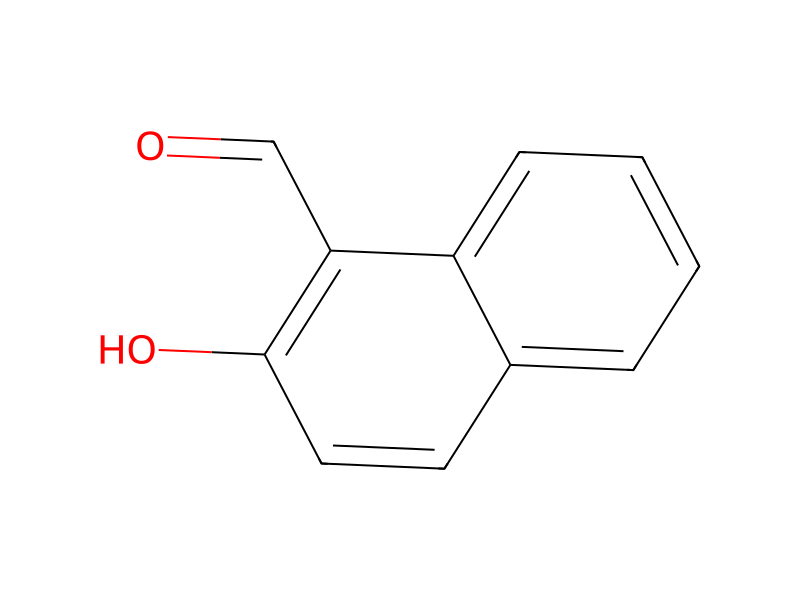
2-Hydroxy-1-naphthaldehyde → 6-Bromo-2-hydroxy-1-naphthaldehyde

HRID 480449
Print

Reaction equation

HRID 480449 reaction equation
[OH:1][C:2]1[CH:11]=[CH:10][C:9]2[C:4](=[CH:5][CH:6]=[CH:7][CH:8]=2)[C:3]=1[CH:12]=[O:13].[Br:14]Br.[O-]S([O-])(=S)=O.[Na+].[Na+]>CC(O)=O>[Br:14][C:7]1[CH:8]=[C:9]2[C:4](=[CH:5][CH:6]=1)[C:3]([CH:12]=[O:13])=[C:2]([OH:1])[CH:11]=[CH:10]2
ParticipantsProcedureWorkupSources & evidenceReaction notes

Participants

5

Reactant 3

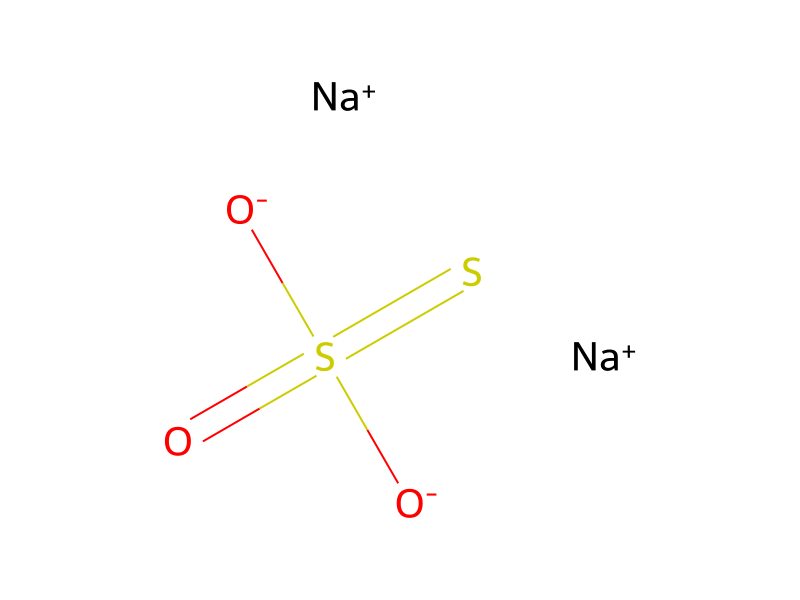
HCID 128192-Hydroxy-1-naphthaldehydeHCID 24408BromineHCID 24477Sodium Thiosulfate

Product 1

HCID 7354576-Bromo-2-hydroxy-1-naphthaldehydeYield 32.9%

Reagents, catalysts & solvents 1

HCID 176Acetic AcidSolvent2×

Procedure

To a solution of 2-hydroxy-1-naphthaldehyde (60.0 g) in AcOH (300 mL) was added dropwise a solution of bromine (66.8 g) in AcOH (30 mL) over 30 min. After being stirred for 1 h, the mixture was poured into aqueous Na2S2O3 solution, and the resulting mixture was extracted with AcOEt. The combined organic layers were washed with water, 1N-NaOH, and brine followed by drying over MgSO4. After removal of the solvent in vacuo, the residue was washed with EtOH to give a yellow powder. The powder was crystallized from iPrOH to afford the title compound (28.8 g) as pale yellow needles.

Workup

  1. extractionthe resulting mixture was extracted with AcOEt
  2. washThe combined organic layers were washed with water, 1N-NaOH, and brine
  3. dry with materialby drying over MgSO4
  4. customAfter removal of the solvent in vacuo
  5. washthe residue was washed with EtOH
  6. customto give a yellow powder
  7. customThe powder was crystallized from iPrOH

Sources & evidence

ORD record
ord-a87524f6e97d4e8f8078701930375b8b
Source dataset
uspto-grants-2003_11
DOI
10.6084/m9.figshare.5104873.v1
Patent number
US06649643B1

Reaction notes

On this pageParticipantsProcedureWorkupSources & evidenceReaction notes