Reaction equation

[Br:1][C:2]1[CH:11]=[CH:10][CH:9]=[C:8]2[C:3]=1[CH:4]=[CH:5][N:6]=[CH:7]2.[N+:12]([O-])([O-:14])=[O:13].[K+].C1C2C(=CC=CC=2)C=CN=1>OS(O)(=O)=O>[Br:1][C:2]1[CH:11]=[CH:10][C:9]([N+:12]([O-:14])=[O:13])=[C:8]2[C:3]=1[CH:4]=[CH:5][N:6]=[CH:7]2Participants
5
Reactant 3
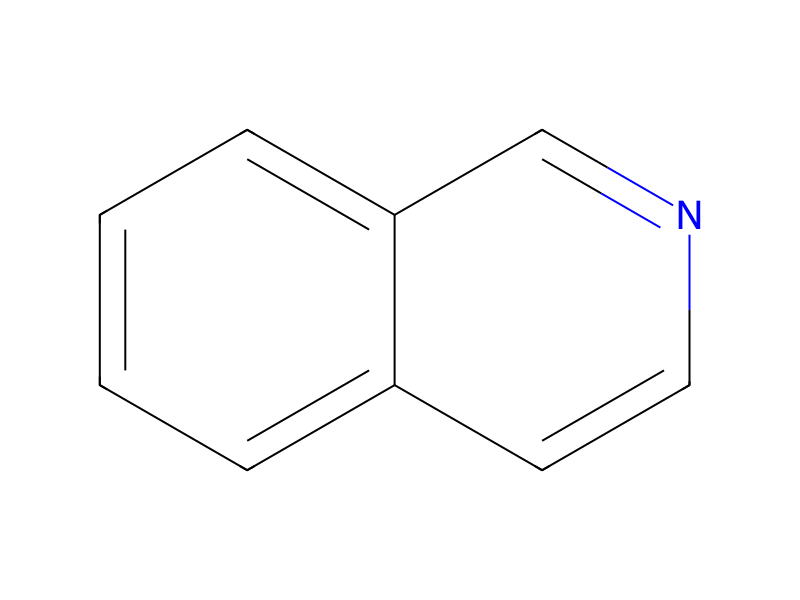
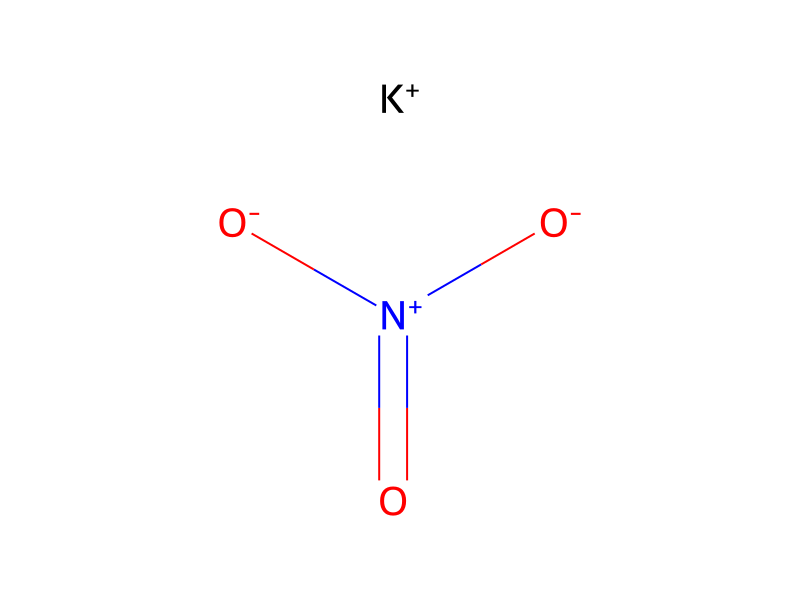

Product 1

Reagents, catalysts & solvents 1

Procedure
The procedure described by Osborn AR, et al, J Chem Soc 1956:41191 was used. 5-Bromoisoquinoline (101 g, 0.485 mol) was dissolved in 300 mL concentrated H2SO4. KNO3 (58.85 g, 0.582 mol) was dissolved in 200 mL of concentrated H2SO4 and added dropwise to the isoquinoline/acid solution. After addition, the reaction was stirred at room temperature for 2 hours. The reaction mixture was poured onto ice and the acid quenched carefully with the addition of NH4OH until the solution was strongly basic. The solids were dissolved in chloroform and filtered through a silica gel plug and eluted with chloroform. Evaporation, followed by trituration of the yellow solid with 5% ethyl acetate in hexane, gave the product (114.2 g, 93%).
Workup
- additionAfter addition
- additionThe reaction mixture was poured onto ice
- customthe acid quenched carefully with the addition of NH4OH until the solution
- dissolutionThe solids were dissolved in chloroform
- filtrationfiltered through a silica gel plug
- washeluted with chloroform
- customEvaporation
Sources & evidence
- ORD record
- ord-453cb66d77244e4cbb23cf5c0261824b
- Source dataset
- uspto-grants-2004_03
- Patent number
- US06703391B2
Linked notes
Loading…