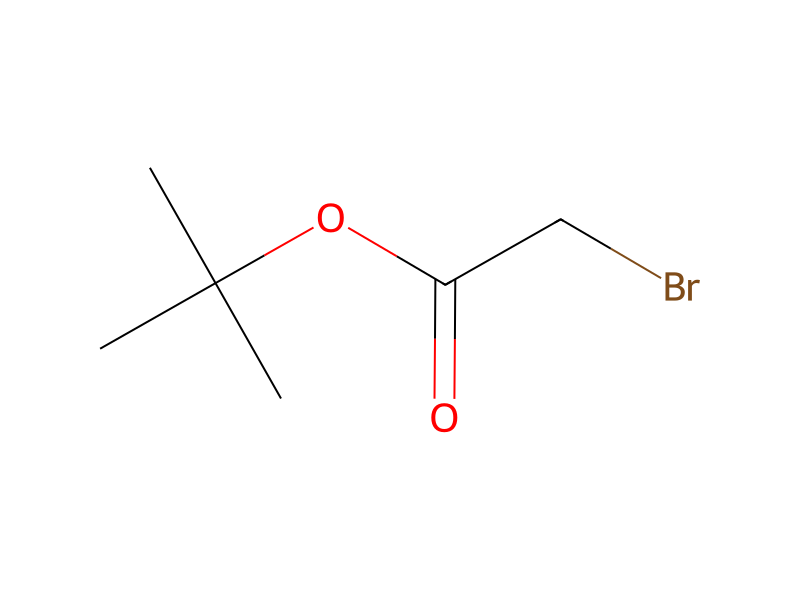
[C:1]([O:5][C:6]([NH:8][C@H:9]1[CH2:15][C:14](=[O:16])[C:13]2[CH:17]=[CH:18][CH:19]=[CH:20][C:12]=2[NH:11][C:10]1=[O:21])=[O:7])([CH3:4])([CH3:3])[CH3:2].C1C=CC(N)=C(C(C[C@H](N)C(O)=O)=O)C=1.Br[CH2:38][C:39]([O:41][C:42]([CH3:45])([CH3:44])[CH3:43])=[O:40].C(=O)([O-])[O-].[K+].[K+]>CC(C)=O>[C:1]([O:5][C:6]([NH:8][C@H:9]1[CH2:15][C:14](=[O:16])[C:13]2[CH:17]=[CH:18][CH:19]=[CH:20][C:12]=2[N:11]([CH2:38][C:39]([O:41][C:42]([CH3:45])([CH3:44])[CH3:43])=[O:40])[C:10]1=[O:21])=[O:7])([CH3:4])([CH3:2])[CH3:3]A solution of 3-(S)-t-butyloxycarbonylamino-2,3,4,5-tetrahydro-1H-[1]benzazepin-2,5-dione (12.5 g) prepared from L-kynurenine as described in Australian J. Chemistry Vol. 33, 633-40 (1980), and t-butyl bromoacetate (10.1 g) in acetone (700 ml) was stirred at room temperature under a dry nitrogen atmosphere. Potassium carbonate (12.5 g) was added in one portion and the resulting suspension was stirred at room temperature for 16 hours. The potassium salts were filtered off and the filtrate evaporated to dryness. The residue was partitioned between ethyl acetate (250 ml) and H2O (250 ml). The layers were separated and the organic phase dried (sodium sulfate). The residue was triturated with petroleum ether (350 ml; bp 30°-60°) to give 3-(S)-t-butyloxycarbonylamino-1-t-butyloxycarbonylmethyl-2,3,4,5-tetrahydro-1H-[1]benzazepin-2,5-dione, m.p. 75°-77° C., [alpha]D =-172° (C=0.96 in DMF).
Loading…