Reaction equation

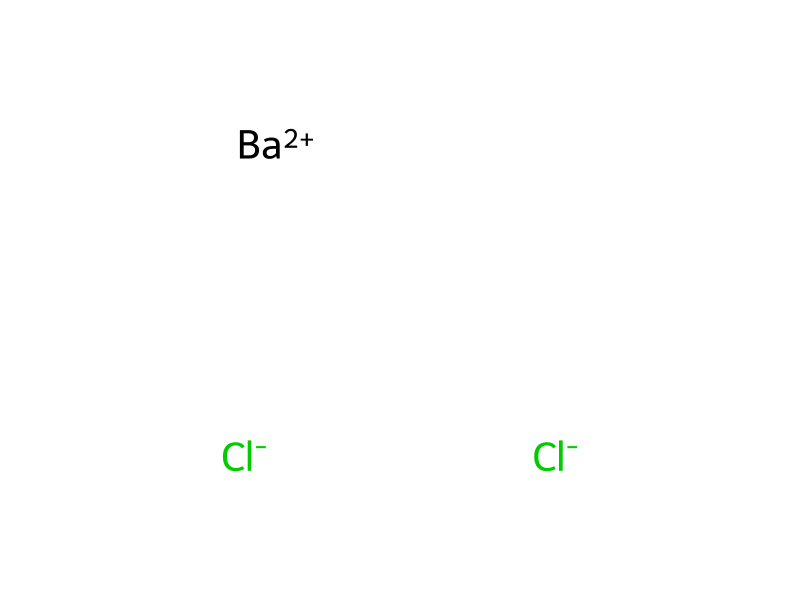
[Cl-].[Ba+2].[Cl-].[C:4]([OH:7])(=[O:6])[CH3:5].C=[CH:9][C:10]1[CH:15]=[CH:14][CH:13]=[CH:12][CH:11]=1.N#N.O=O.[C]=O.[CH3:22]O>[Pd]>[C:4]([O:7][CH3:22])(=[O:6])[CH:5]=[CH:9][C:10]1[CH:15]=[CH:14][CH:13]=[CH:12][CH:11]=1Participants
Reactant 5




Product 1

Reagents, catalysts & solvents 1

Conditions
- Temperature
- 120 °C
Procedure
Into a Teflon inner-cylinder Hastelloy C autoclave of a capacity of 300 ml and equipped with a magnetic induction rotating stirrer, a reflux condenser, a gas inlet pipe and a liquid withdrawal pipe were charged 0.5% Pd/A.C. (0.5% by weight of palladium supported on active carbon) in an amount of 0.05 mmol as Pd, 20 mmol of cupric acetate, 20 mmol of barium chloride, 160 mmol of acetic acid, 70 ml of styrene and 30 ml of methanol, then, a mixed gas of nitrogen/oxygen/carbon monoxide (84.9/5.6/9.5 in volume ratio) was introduced to make the pressure inside the reaction system 20.0 kg/cm2G, and while maintaining this pressure and passing the mixed gas at a gas flow rate at the reactor outlet of 34.1 Nl/hr, the reaction temperature was gradually raised to 120° C. While passing the mixed gas under the same conditions, the reaction was effected for 3 hours. Very small amounts of the reaction mixture were withdrawn at 30 minutes' intervals and analyzed by gas chromatography, and also the gas composition was analyzed at the same intervals by subjecting a part of the gas phase coming out of the reflux condenser to gas chromatography. The amounts of methyl cinnamate formed at intervals are shown in FIG. 1.
Workup
- temperaturewhile maintaining this pressure
- customVery small amounts of the reaction mixture were withdrawn at 30 minutes' intervals
Sources & evidence
- ORD record
- ord-e6693fca82cf4927aa81111f9d708209
- Source dataset
- uspto-grants-1986_03
- Patent number
- US04578507
Linked notes
Loading…