HomeMCPWorkbenchSkills
HomeWorkbenchNotificationsMe
llms.txt · MCP GuidePrivacy Policy · Terms of Service · Supportv1.8.3
  1. Home
  2. /Reaction

Acetic Acid → 2-Propenoic acid, 3-phenyl-, methyl ester

HRID 483267
Print

Reaction equation

HRID 483267 reaction equation
[Cl-].[Ba+2].[Cl-].[C:4]([OH:7])(=[O:6])[CH3:5].C=[CH:9][C:10]1[CH:15]=[CH:14][CH:13]=[CH:12][CH:11]=1.N#N.O=O.[C]=O.[CH3:22]O>[Pd]>[C:4]([O:7][CH3:22])(=[O:6])[CH:5]=[CH:9][C:10]1[CH:15]=[CH:14][CH:13]=[CH:12][CH:11]=1
ParticipantsConditionsProcedureWorkupSources & evidenceReaction notes

Participants

7

Reactant 5

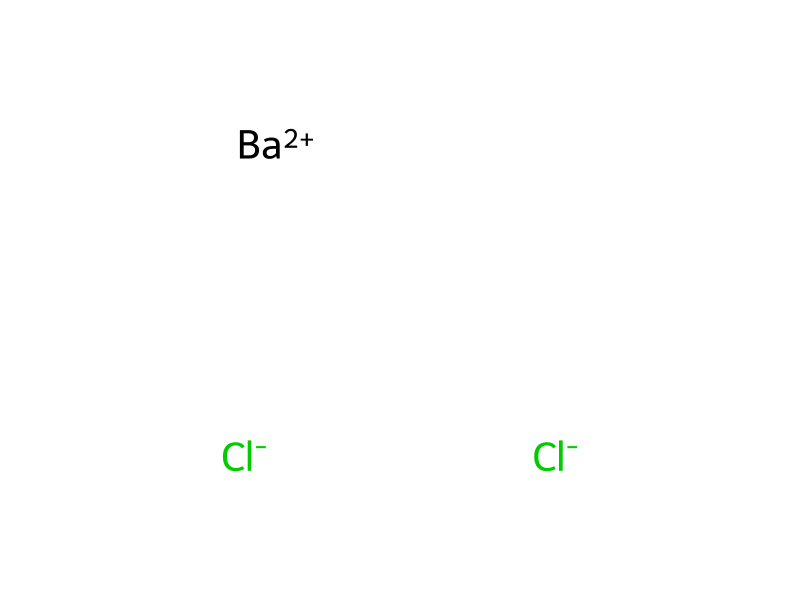
HCID 176Acetic AcidHCID 887MethanolHCID 7501StyreneHCID 5360350Barium(2+) dichlorideHCID 178514649HCID 178514649, compound

Product 1

HCID 76442-Propenoic acid, 3-phenyl-, methyl ester

Reagents, catalysts & solvents 1

HCID 23938
Palladium
Catalyst
2×

Conditions

Temperature
120 °C

Procedure

Into the same autoclave as that used in Example 4 were charged 2% Pd/A.C. in an amount of 0.5 mmol as Pd, 20 mmol of cupric acetate, 20 mmol of barium chloride, 160 mmol of acetic acid, 70 ml of styrene and 30 ml of methanol, then, a mixed gas of nitrogen/oxygen/carbon monoxide (86.0/5.5/8.5 in volume ratio) was introduced to make the pressure inside the reaction system 20.0 kg/cm2G, and while maintaining this pressure and passing the mixed gas at a gas flow rate at the reactor outlet of 76.6 Nl/hr, the reaction was effected for 1.5 hours while maintaining the reaction temperature at 120° C. The amounts of methyl cinnamate formed at intervals are shown in FIG. 2.


Workup

  1. temperaturewhile maintaining this pressure

Sources & evidence

ORD record
ord-0597029dcc104b34834dde8183b5b529
Source dataset
uspto-grants-1986_03
DOI
10.6084/m9.figshare.5104873.v1
Patent number
US04578507

Reaction notes

On this pageParticipantsConditionsProcedureWorkupSources & evidenceReaction notes