Reaction equation

[CH3:1][N:2]1[CH2:12][CH2:11][CH2:10][CH2:9][CH:3]1[C:4]([O:6][CH2:7][CH3:8])=[O:5].[CH3:13][N:14]1C[CH2:18][CH2:17][CH2:16][CH:15]1CO.C([Sn](=O)CCCC)CCC>>[CH3:1][N:2]1[CH2:12][CH2:11][CH2:10][CH2:9][CH:3]1[C:4]([O:6][CH2:7][CH:8]1[CH2:18][CH2:17][CH2:16][CH2:15][N:14]1[CH3:13])=[O:5]Participants
4


Conditions
- Temperature
- 130 °C
Procedure
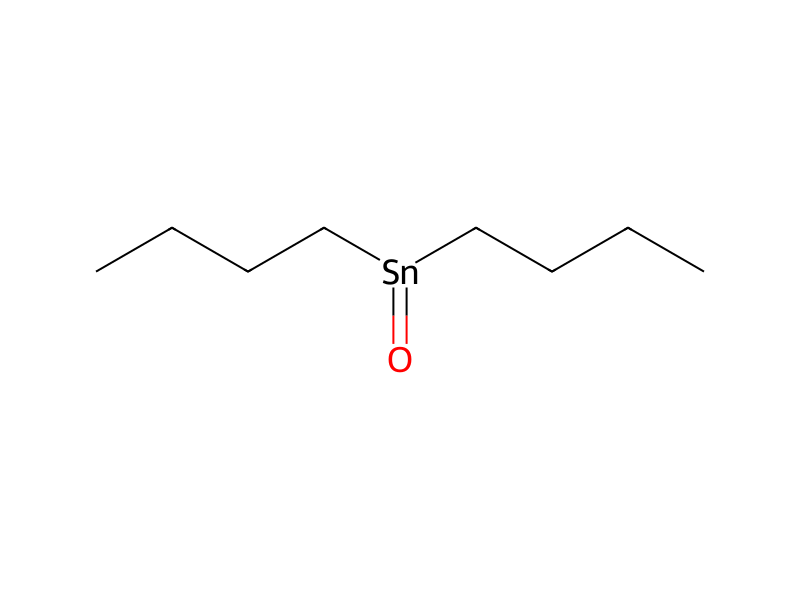
A mixture of 85.6 g (0.5 mole) of ethyl 1-methylpipecolinate, 64.6 g (0.5 mole) of 1-methyl-2piperidinemethanol and 1.1 g dibutyltin oxide was heated at 130° C. for three hours and then gradually heated to 200° C. When the amount of ethanol collected indicated the reaction was essentially complete the liquid product, N-methyl-(2-piperidyl)methyl N-methylpipecolinate, was distilled at 0.25 mm Hg pressure at about 130° C. The nuclear magnetic resonance and infrared spectra of the product were consistent with the structural assignment.
Workup
- temperaturegradually heated to 200° C
- customWhen the amount of ethanol collected
- distillationwas distilled at 0.25 mm Hg pressure at about 130° C
Sources & evidence
- ORD record
- ord-d8a66124e98e4159af20384ffa2791a0
- Source dataset
- uspto-grants-1993_07
- Patent number
- US05225513
Linked notes
Loading…