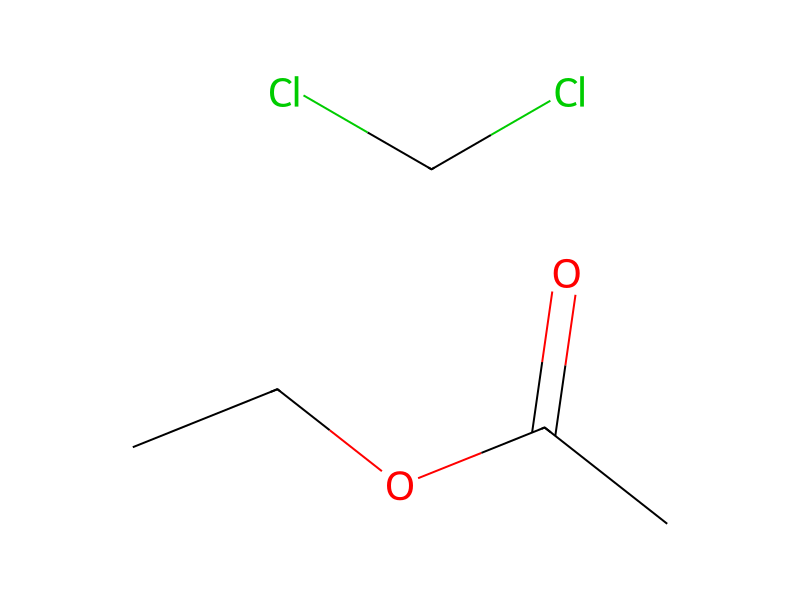
A mixture of the indanone (1.81 g, 11.17 mmole) of Example 1, Step D, cyanoacetic acid (1.05 g, 12.3 mmol) ammonium acetate (0.17 g), acetic acid (0.66 g) and toluene (5 mL) is heated at reflux with water removal (Dean-Stark) for 24 hours (TLC, CH2Cl2 -ethyl acetate 8:2). The toluene is evaporated and the residual yellow solid is redissolved in ethanol (6 mL) containing 2.2 N-KOH (1.4 mL). A solution of KOH (2.2 g, 85) in water (15 mL) is added and the solution is refluxed under nitrogen for 18 hours. The ethanol is evaporated, the residue is diluted with water and extracted with ether (2 times). The aqueous layer is acidified in the cold with 6N-HCl (to pH 3) and extracted with ethyl acetate. The extracts are washed with brine, dried (MgSO4) and evaporated to provide the crude title compound together with traces of unreacted indanone. It is used as such in the next step.