Reaction equation

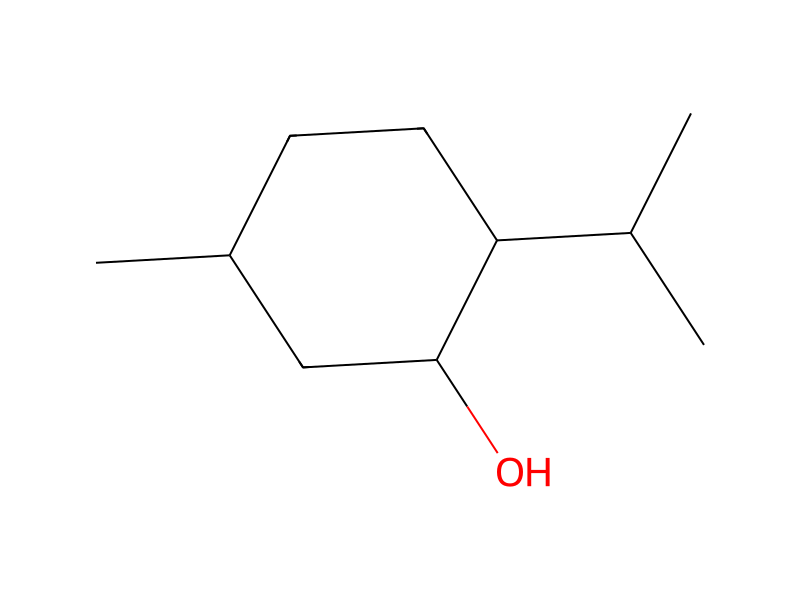
C=CC1C=CC=CC=1.[N+](=CC(OCC)=O)=[N-].[C:17]1([C@@H:23]2[CH2:25][C@H:24]2[C:26]([O:28][CH2:29][CH3:30])=[O:27])[CH:22]=[CH:21][CH:20]=[CH:19][CH:18]=1.C1(C)CCC(C(C)C)C(O)C1.C1([C@@H]2C[C@H]2C([O-])=O)C=CC=CC=1>ClCCl>[C:17]1([CH:23]2[CH2:25][CH:24]2[C:26]([O:28][CH2:29][CH3:30])=[O:27])[CH:22]=[CH:21][CH:20]=[CH:19][CH:18]=1Participants



Procedure
To a mixture of styrene (2.15g, 20.7 mmol) and Rh2 (4S-BNOX)4 (0.0113 g, 0.0131 mmol) in 5.0 mL of anhydrous dichloromethane was added, by syringe at room temperature, ethyl diazoacetate (0298 g, 2.62 mmol) in 3.0 mL of dichloromethane under nitrogen and at an addition rate of 0.8 mL/h (syringe pump). After addition was complete, the dichloromethane solution was passed through a plug of neutral alumina to separate the catalyst, and solvent and excess styrene were removed under reduced pressure Gas chromatographic separation of the trans-isomer produced a material whose specific rotation was -6.4° which corresponded to an enantiomeric excess of the ethyl (1R,2R)-2-phenylcyclopropanecarboxylate. Conversion of the ethyl esters to the 1-menthyl esters by base hydrolysis, acid chloride formation, and esterification with (-)-menthol provided a gas chromatographically separable mixture that showed 25% enantiomeric excess for the (1R,2R)-enantiomer of the trans-2-phenylcyclopropanecarboxylate.
Workup
- additionwas added, by syringe at room temperature
- additionAfter addition
- customto separate the catalyst, and solvent and excess styrene
- customwere removed under reduced pressure Gas chromatographic separation of the trans-isomer
- customproduced a material whose specific rotation
- customwas -6.4°
- customprovided a gas chromatographically separable mixture that
Sources & evidence
- ORD record
- ord-c342d840cbe84f84a8ffea54465dfe66
- Source dataset
- uspto-grants-1994_03
- Patent number
- US05296595
Linked notes
Loading…