Reaction equation

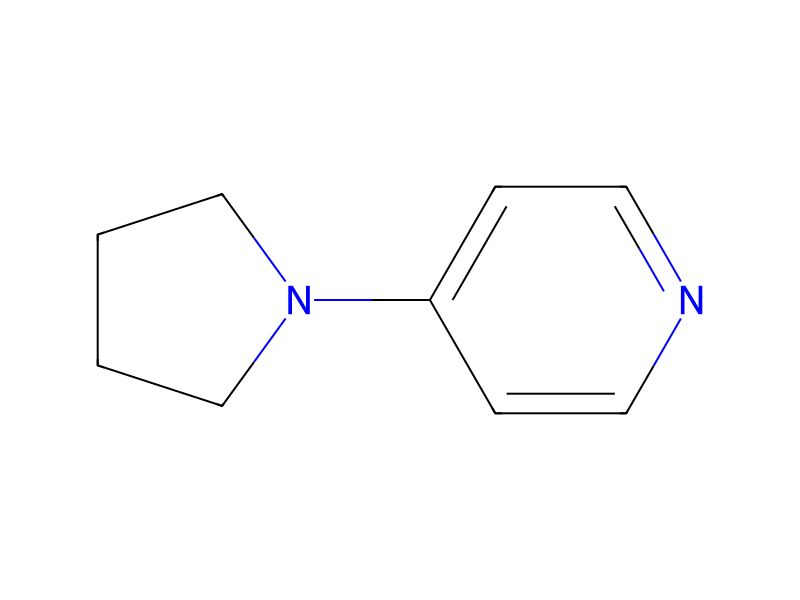
[Br:1][CH2:2][CH2:3][CH2:4][CH2:5][CH2:6][CH2:7][CH2:8][C:9]([OH:11])=[O:10].[CH2:12](O)[C:13]1[CH:18]=[CH:17][CH:16]=[CH:15][CH:14]=1.C1(N=C=NC2CCCCC2)CCCCC1>C(Cl)(Cl)(Cl)Cl.N1(C2C=CN=CC=2)CCCC1>[CH2:12]([O:10][C:9](=[O:11])[CH2:8][CH2:7][CH2:6][CH2:5][CH2:4][CH2:3][CH2:2][Br:1])[C:13]1[CH:18]=[CH:17][CH:16]=[CH:15][CH:14]=1Participants
Reactant 3



Product 1

Reagents, catalysts & solvents 2

Procedure
There were dissolved 11.6 g (52 mmol) of 8-bromooctanoic acid in 100 ml of CCl4 and around 5° C. (ice bath), there were added to the solution 5.41 g (50 mmol) of benzyl alcohol and 2.5 mmol of 4-pyrrolidino-pyridine catalyst. Thereafter, a solution of 10.73 g (52 mmol) of dicyclohexylcarbodiimide (DCC) in 10 ml of carbon tetrachloride was added portion-wise under stirring. The precipitation of the expected dicyclohexylurea (DCU) was effective after a few min and the temperature was allowed to come back to room temperature. After ½ hr, the reaction was complete as checked by TLC (hexane/ether 1:1). Then after about 1 hr, 0.5 ml of AcOH were added to quench remaining DCC and the DCU was filtered out after about one hour (yield 11.2 g=100%).
Workup
- customThe precipitation of the expected dicyclohexylurea (DCU)
- customto come back to room temperature
- waitThen after about 1 hr
- addition0.5 ml of AcOH were added
- customto quench
- filtrationthe DCU was filtered out after about one hour (yield 11.2 g=100%)
Sources & evidence
- ORD record
- ord-3f77a10e74bf44d4b323cf8ea0e05ff6
- Source dataset
- uspto-grants-2004_03
- Patent number
- US06706280B2
Linked notes
Loading…