Reaction equation

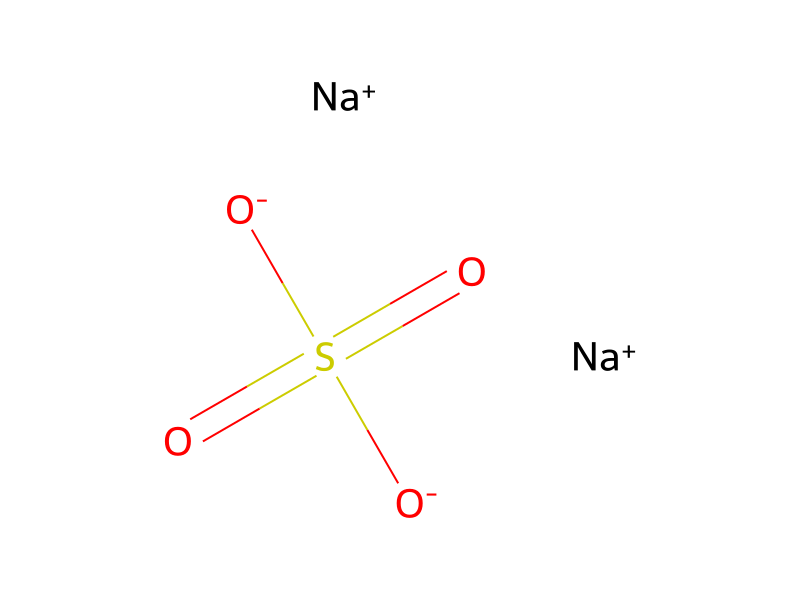
[C:1]1([C:7]([C:17]2[CH:22]=[CH:21][CH:20]=[CH:19][CH:18]=2)([OH:16])[CH:8]2[C:13](=[O:14])[CH:12]3[CH2:15][N:9]2[CH2:10][CH2:11]3)[CH:6]=[CH:5][CH:4]=[CH:3][CH:2]=1.[H-].[Al+3].[Li+].[H-].[H-].[H-].[OH-].[Na+].S([O-])([O-])(=O)=O.[Na+].[Na+]>C1COCC1.O>[C:17]1([C:7]([C:1]2[CH:6]=[CH:5][CH:4]=[CH:3][CH:2]=2)([OH:16])[CH:8]2[CH:13]([OH:14])[CH:12]3[CH2:15][N:9]2[CH2:10][CH2:11]3)[CH:18]=[CH:19][CH:20]=[CH:21][CH:22]=1Participants
7
Reactant 4



Product 1

Reagents, catalysts & solvents 2


Conditions
- Temperature
- -78 °C
Procedure
2-(Diphenylhydroxymethyl)-1-azabicyclo[2.2.1]heptan-3-one (210 mg) was dissolved in THF (5 ml) at -78° C. under argon. Lithium aluminium hydride (3 ml, 1.0M in ether) was added and the mixture stirred at -78° C. for 30 min, and then warmed to room temperature whereupon the reaction mixture became homogeneous. Water (0.1 ml) was added followed by sodium hydroxide (0.35 ml, 3N) and water (0.35 ml) affording a granular precipitate. Solid sodium sulphate was added, the mixture was filtered and the filtrate evaporated. The resulting diol was used without further purification.
Workup
- temperaturewarmed to room temperature whereupon the reaction mixture
- customaffording a granular precipitate
- filtrationthe mixture was filtered
- customthe filtrate evaporated
- customThe resulting diol was used without further purification
Sources & evidence
- ORD record
- ord-2296a711d5b9416e8708573c01ee1a3d
- Source dataset
- uspto-grants-1993_09
- Patent number
- US05242930
Linked notes
Loading…