HomeMCPWorkbenchSkills
HomeWorkbenchNotificationsMe
llms.txt · MCP GuidePrivacy Policy · Terms of Service · Supportv1.8.0
  1. Home
  2. /Reaction

1-Acetylpiperazine → 1-Acetyl-4-(4-pyridylaminocarbonyl)piperazine

HRID 49776
Notes
Print preview

Reaction equation

HRID 49776 reaction equation
[N:1]1[CH:6]=[CH:5][C:4]([NH:7][C:8](=[O:16])OC2C=CC=CC=2)=[CH:3][CH:2]=1.[C:17]([N:20]1[CH2:25][CH2:24][NH:23][CH2:22][CH2:21]1)(=[O:19])[CH3:18]>ClCCCl.ClCCl.O>[C:17]([N:20]1[CH2:25][CH2:24][N:23]([C:8]([NH:7][C:4]2[CH:3]=[CH:2][N:1]=[CH:6][CH:5]=2)=[O:16])[CH2:22][CH2:21]1)(=[O:19])[CH3:18]
ParticipantsConditionsProcedureWorkupSources & evidenceReaction notes

Participants

6

Reactant 2

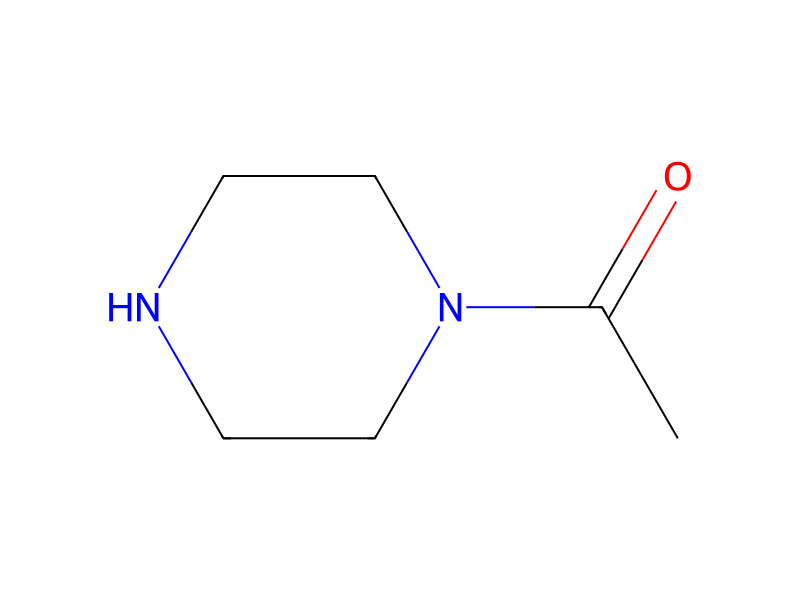
HCID 837951-AcetylpiperazineHCID 11401617Carbamic acid, 4-pyridinyl-, phenyl ester

Product 1

HCID 98813891-Acetyl-4-(4-pyridylaminocarbonyl)piperazineYield 77%

Reagents, catalysts & solvents 3

HCID 111,2-DichloroethaneSolvent2×HCID 962WaterSolvent
HCID 6344
Dichloromethane
Solvent

Conditions

Temperature
60 °C

Procedure

To a solution of O-phenyl N-(4-pyridyl)carbamate (446 mg) in 1,2-dichloroethane (5 ml) was added a suspension of 1-acetylpiperazine (1.12 g) in 1,2-dichloroethane (20 ml) at ambient temperature. The mixture was heated at 60° C. with stirring for 9 hours. The mixture was cooled to ambient temperature, and diluted with dichloromethane and water. The aqueous phase was separated and adjusted to pH 11.5 with sodium hydroxide solution. Excess sodium chloride was added to the aqueous solution. The mixture was extracted with a mixture of dichloromethane and methanol (about 10:1) and the organic phase was washed with brine. After drying with magnesium sulfate, the solvents were removed under reduced pressure. A residue was purified by column chromatography (silica gel 100 ml, dichloromethane:methanol aqueous ammonia=10:1:0.1). After rinse with diisopropyl ether, 1-acetyl-4-(4-pyridylaminocarbonyl)piperazine (398 mg) was obtained.

Workup

  1. temperatureThe mixture was cooled to ambient temperature
  2. customThe aqueous phase was separated
  3. additionExcess sodium chloride was added to the aqueous solution
  4. extractionThe mixture was extracted with a mixture of dichloromethane and methanol (about 10:1)
  5. washthe organic phase was washed with brine
  6. dry with materialAfter drying with magnesium sulfate
  7. customthe solvents were removed under reduced pressure
  8. customA residue was purified by column chromatography (silica gel 100 ml, dichloromethane:methanol aqueous ammonia=10:1:0.1)
  9. washAfter rinse with diisopropyl ether

Sources & evidence

ORD record
ord-16e740a395d64bbcae2ab6ec1d8a13fb
Source dataset
uspto-grants-2004_03
DOI
10.6084/m9.figshare.5104873.v1
Patent number
US06710043B1

Reaction notes

Loading…

On this pageParticipantsConditionsProcedureWorkupSources & evidenceReaction notes


