Reaction equation

[NH:1]1[CH2:6][CH2:5][CH:4]([NH:7][C:8](=[O:16])[C:9]2[CH:14]=[CH:13][C:12]([F:15])=[CH:11][CH:10]=2)[CH2:3][CH2:2]1.[CH:17]1([C:20](O)=[O:21])[CH2:19][CH2:18]1.ON1C2C=CC=CC=2N=N1.Cl.C(N=C=NCCCN(C)C)C>ClCCl>[CH:17]1([C:20]([N:1]2[CH2:2][CH2:3][CH:4]([NH:7][C:8](=[O:16])[C:9]3[CH:14]=[CH:13][C:12]([F:15])=[CH:11][CH:10]=3)[CH2:5][CH2:6]2)=[O:21])[CH2:19][CH2:18]1Participants
6
Reactant 4
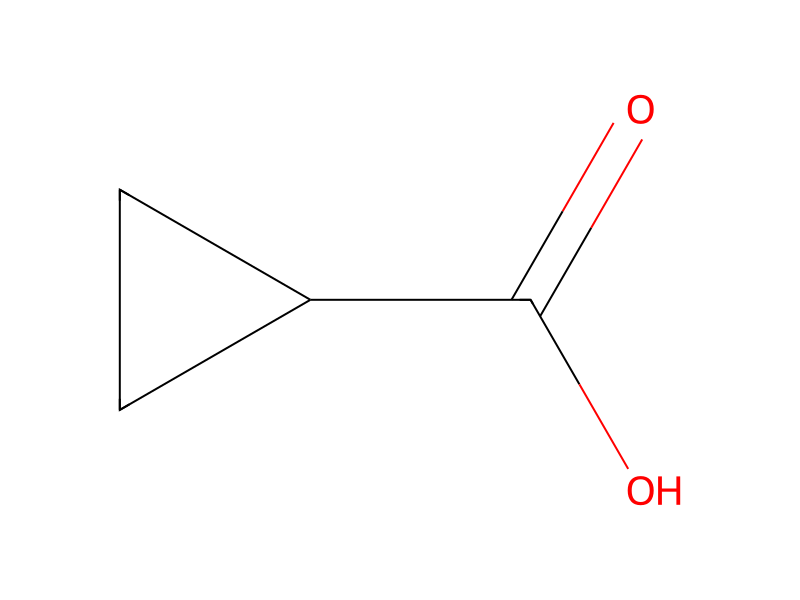



Product 1

Reagents, catalysts & solvents 1

Procedure
To a suspension of N-(piperidin-4-yl)-4-fluorobenzamide (556 mg) in dichloromethane (6 ml) were added cyclopropanecarboxylic acid (0.20 ml), 1-hydroxybenzotriazole (338 mg) and 1-ethyl-3-(3-dimethylaminopropyl)carbodiimide hydrochloride (480 mg) at ambient temperature. After stirring for 21 hours, the mixture was diluted with dichloromethane, and washed with water, saturated aqueous sodium hydrogen carbonate, and brine. After drying with magnesium sulfate, the solvents were removed under reduced pressure. After crystallization from diisopropyl ether, N-(1-cyclopropylcarbonylpiperidin-4-yl)-4-fluorobenzamide (627 mg) was obtained.
Workup
- washwashed with water, saturated aqueous sodium hydrogen carbonate, and brine
- dry with materialAfter drying with magnesium sulfate
- customthe solvents were removed under reduced pressure
- customAfter crystallization from diisopropyl ether
Sources & evidence
- ORD record
- ord-172de2d3a4fd4dff8daa387af3ff6796
- Source dataset
- uspto-grants-2004_03
- Patent number
- US06710043B1
Linked notes
Loading…