Reaction equation

[Cl:1][C:2]1[CH:7]=[C:6]([Cl:8])[CH:5]=[CH:4][C:3]=1[NH:9][NH2:10].[C:11]([O:16][CH2:17][CH3:18])(=[O:15])[C:12]([CH3:14])=O.C(O)(=O)C>C(O)C>[Cl:1][C:2]1[CH:7]=[C:6]([Cl:8])[CH:5]=[CH:4][C:3]=1[NH:9][N:10]=[C:12]([CH3:14])[C:11]([O:16][CH2:17][CH3:18])=[O:15]Participants
5
Reactant 3

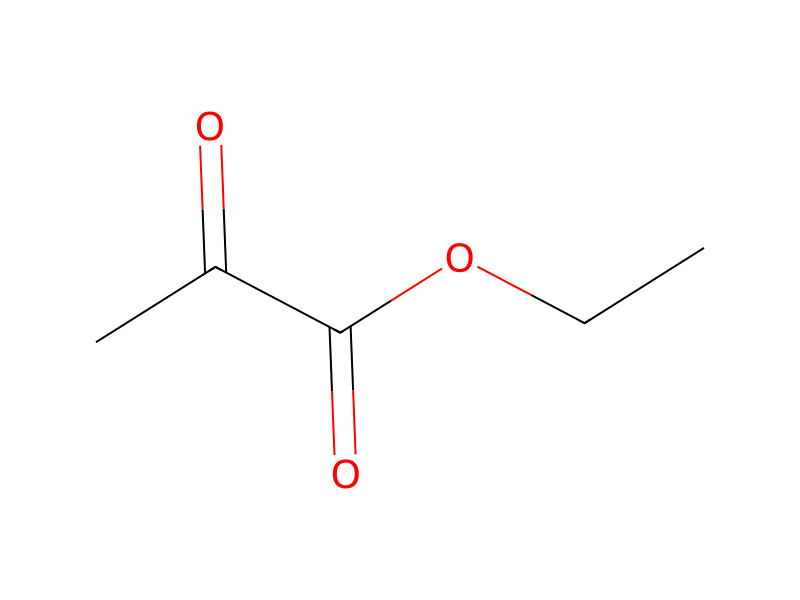

Product 1

Reagents, catalysts & solvents 1

Procedure
A mixture of 2,4-dichlorophenylhydrazine (16.00 g, 0.075 mol), ethyl pyruvate (14.47 g, 10.3 mL, 0.12 mol), glacial acetic acid (0.9 mL), absolute ethanol (105 mL) was refluxed for 2 hours. After cooling at room temperature, the solid which formed was filtered and recrystallized from ethanol to give 17.0 g (83%) of the title compound, mp 118-120° C. (from ethanol).
Workup
- temperaturewas refluxed for 2 hours
- customthe solid which formed
- filtrationwas filtered
- customrecrystallized from ethanol
Sources & evidence
- ORD record
- ord-cbbfad43ce4a4efb9b67fb7c1f55dfcc
- Source dataset
- uspto-grants-2004_03
- Patent number
- US06710068B2
Linked notes
Loading…