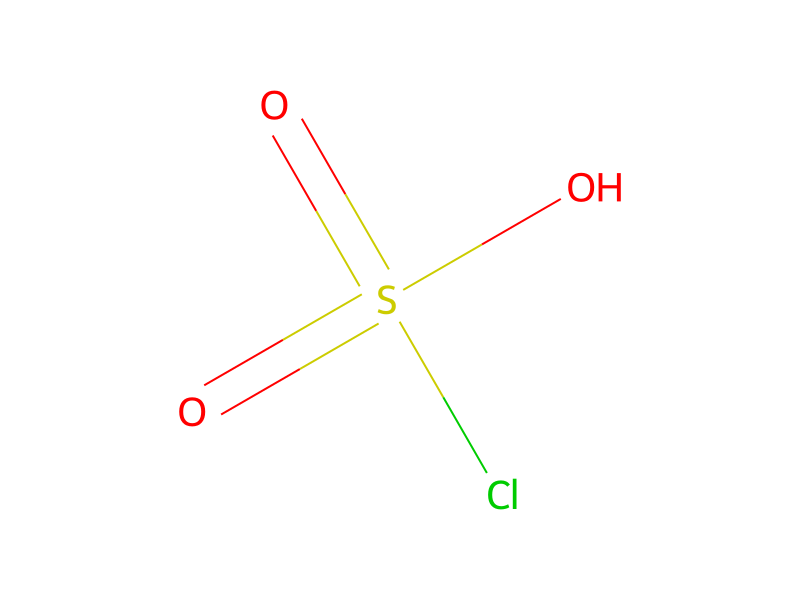
A 17% (w/w) solution of N-formylindoline in 1,2-dichloroethane (100 g, 680 mmol) was cooled to 5° C., treated with chlorosulfonic acid (90.4 mmol, 1.35 mol) at a rate which kept the internal temperature <25° C., heated to 70° C., treated with thionyl chloride (99.2 mL, 1.35 mol), and stirred for 2 hours. The mixture was cooled to 5° C., quenched with water (1.0 L) at a rate which kept the internal temperature <25° C., warmed to 10° C., diluted with heptane (1.0 L), and stirred for 30 minutes. The resulting precipitate was filtered, washed with water (6×1 L) until the filtrate pH was 4.5, washed with heptane, and partially dried under vacuum at 40° C. to provide the desired product (solid assay for 157 g (94%) of 1-formyl-5-indolinesulfonyl chloride. The product was used directly in the next step without further purification.