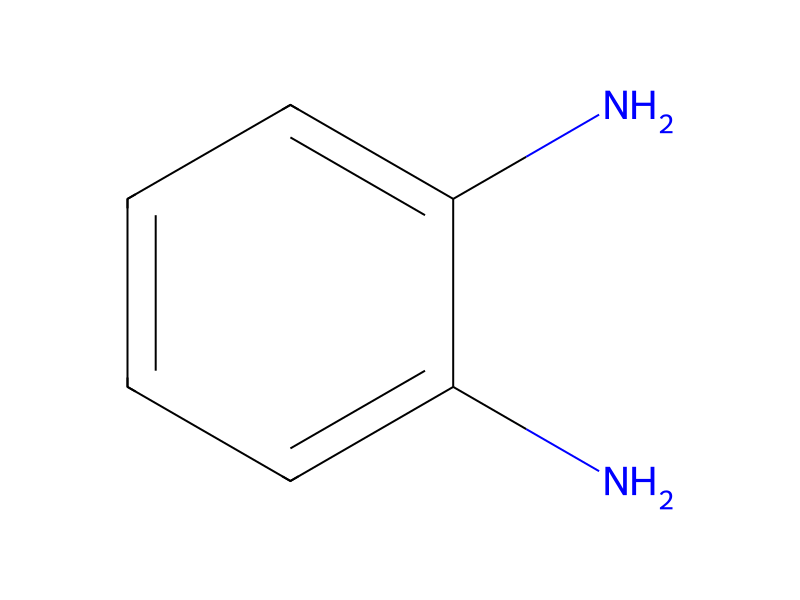
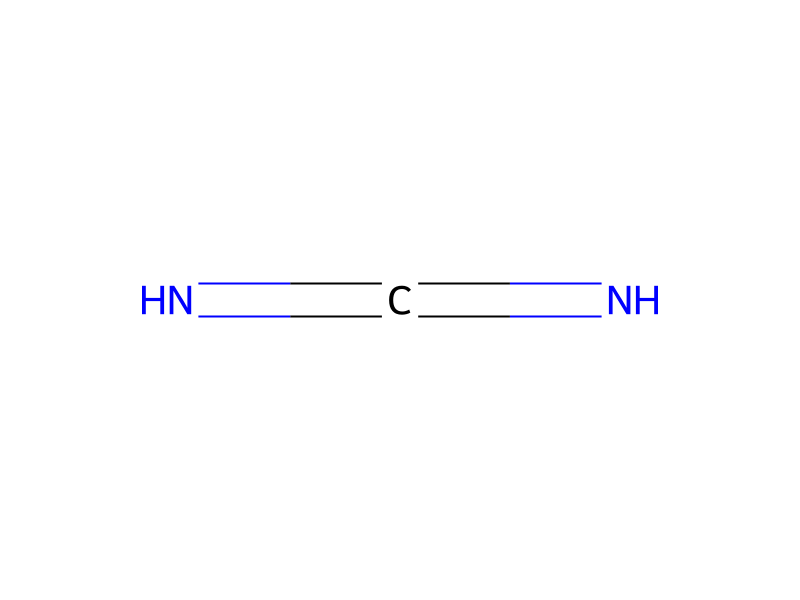
[Br:1][C:2]1[C:11]2[C:6](=[CH:7][CH:8]=[CH:9][CH:10]=2)[C:5]([N:12]=[C:13]=S)=[CH:4][CH:3]=1.[C:15]1([NH2:22])[CH:20]=[CH:19][CH:18]=[CH:17][C:16]=1[NH2:21].N=C=N.O>C1COCC1>[Br:1][C:2]1[C:11]2[C:6](=[CH:7][CH:8]=[CH:9][CH:10]=2)[C:5]([NH:12][C:13]2[NH:22][C:15]3[CH:20]=[CH:19][CH:18]=[CH:17][C:16]=3[N:21]=2)=[CH:4][CH:3]=1A slurry of 1-bromo-4-isothiocyanatonaphthalene (1.0 g, 3.8 mmol), o-phenylene diamine (0.45 g, 4.2 mmol), and polymer-supported carbodiimide (9.0 g, 11 mmol, 1.27 mmol/g) in 72 mL THF was heated to 70° C. with a water-cooled reflux condenser for 3 h. The reaction was filtered, rinsing with dichloromethane. The solution was concentrated to a yellow solid, suspended in dichloromethane, and filtered, rinsing with a small quantity of diethyl ether to give N-(4-bromonaphthalen-1-yl)-1H-benzo[d]imidazol-2-amine as a white solid. MS m/z=338 [M+1]+. Calc'd for C17H12BrN3: 337