Reaction equation
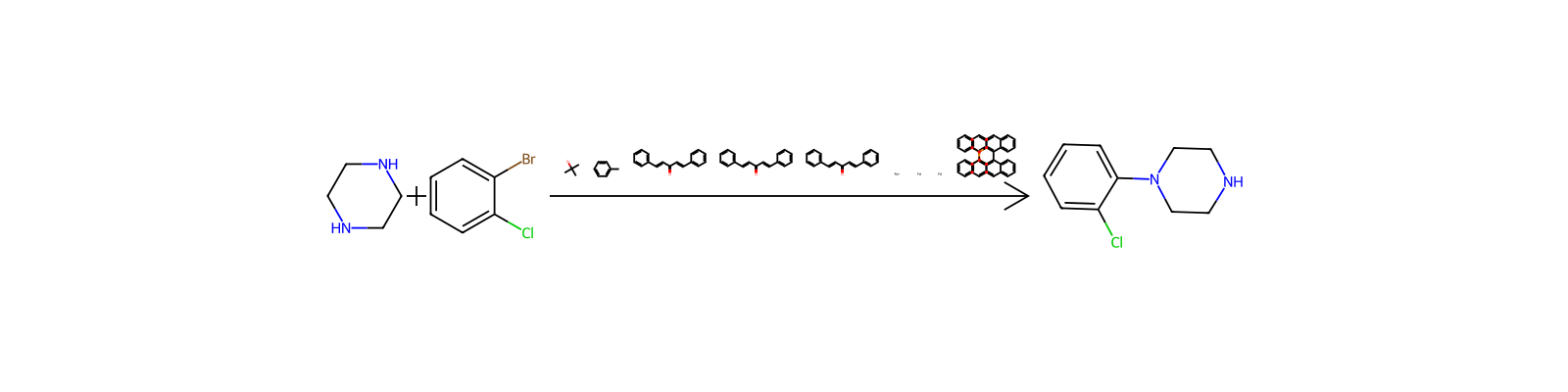
C1CNCCN1.Clc1ccccc1Br>CC(C)(C)[O-].Cc1ccccc1.O=C(/C=C/c1ccccc1)/C=C/c1ccccc1.O=C(/C=C/c1ccccc1)/C=C/c1ccccc1.O=C(/C=C/c1ccccc1)/C=C/c1ccccc1.[Na+].[Pd].[Pd].c1ccc(P(c2ccccc2)c2ccc3ccccc3c2-c2c(P(c3ccccc3)c3ccccc3)ccc3ccccc23)cc1>Clc1ccccc1N1CCNCC1Participants
7





Conditions
- Temperature
- 110 °C
Procedure
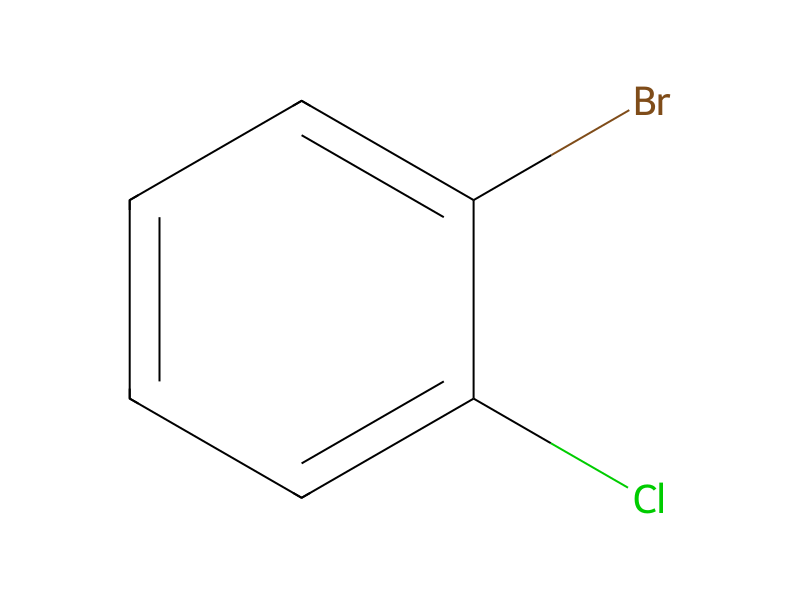
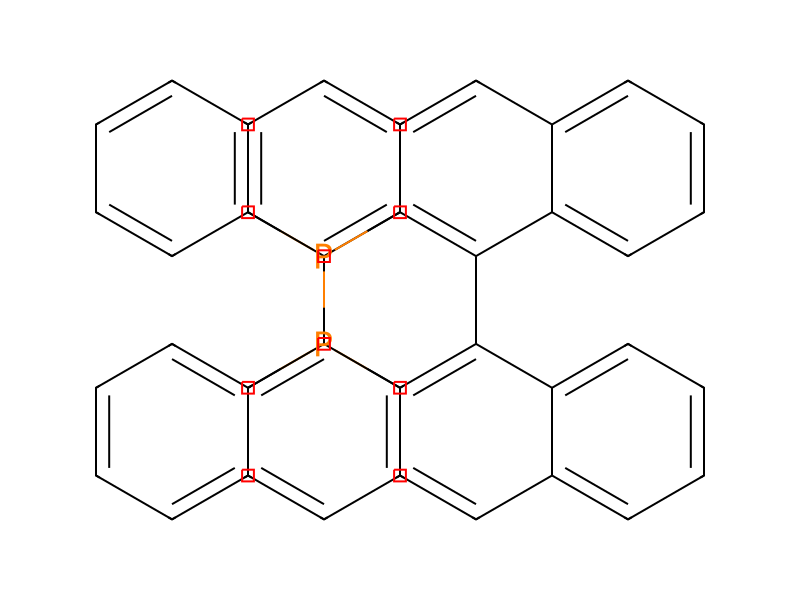
To a stirred sol of 1-bromo-2-chlorobenzene (0.606 mL, 5.22 mmol) in toluene (10 mL) was added Pd2(dba)3 (0.239 g, 0.26 mmol), BINAP (0.163 g, 0.26 mmol), sodium tert-butoxide (0.753 g, 7.83 mmol) and piperazine (1.350 g, 15.67 mmol) and the resulting sol was heated at 110 °C for 16h. Cooled to rt, filtered through a celeite pad, volatiles were evaporated off and residue was column chromatographed (DCM:MeOH 90:10) to afford 1-(2-chlorophenyl)piperazine (0.450 g, 43.8 %) as a gum.
Sources & evidence
- ORD record
- ord-7b12b51966524113889660895d5b1caa
- Source dataset
- 750 AstraZeneca ELN dataset
- Original link
- View source
Linked notes
Loading…