Reaction equation

Br[C:2]1[CH:3]=[C:4]([CH3:9])[CH:5]=[C:6]([CH3:8])[CH:7]=1.Cl[Si:11]([C:24]1[CH:29]=[CH:28][CH:27]=[CH:26][CH:25]=1)([C:18]1[CH:23]=[CH:22][CH:21]=[CH:20][CH:19]=1)[C:12]1[CH:17]=[CH:16][CH:15]=[CH:14][CH:13]=1>>[C:24]1([Si:11]([C:12]2[CH:13]=[CH:14][CH:15]=[CH:16][CH:17]=2)([C:18]2[CH:23]=[CH:22][CH:21]=[CH:20][CH:19]=2)[C:2]2[CH:3]=[C:4]([CH3:9])[CH:5]=[C:6]([CH3:8])[CH:7]=2)[CH:25]=[CH:26][CH:27]=[CH:28][CH:29]=1Participants
3

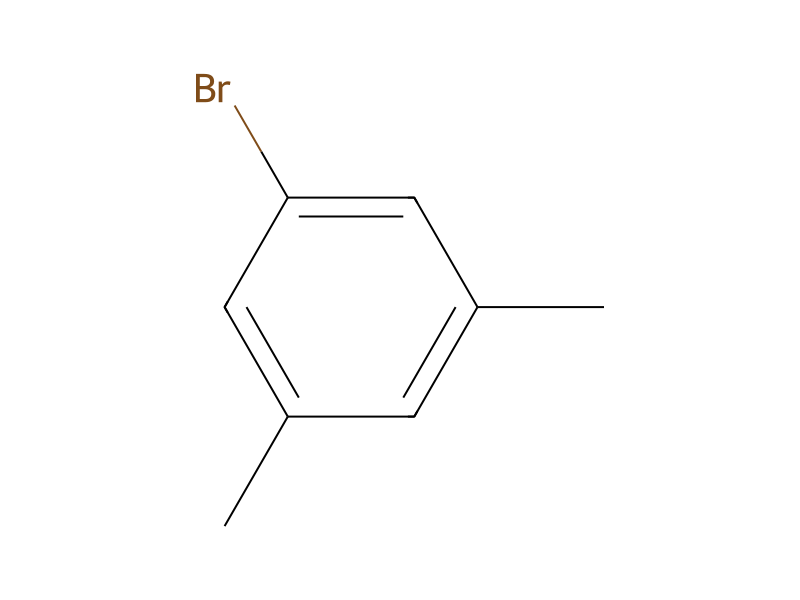

Procedure
In the same manner as described in preparation 1, 5-bromo-m-xylene was allowed to react with chlorotriphenylsilane, and afforded TPSIX. The yield and properties are summarized in Table 1.
Workup
- customafforded TPSIX
- customThe yield
Sources & evidence
- ORD record
- ord-55b62a5f55db48bfae40873d928c5459
- Source dataset
- uspto-grants-1993_09
- Patent number
- US05243010
Linked notes
Loading…