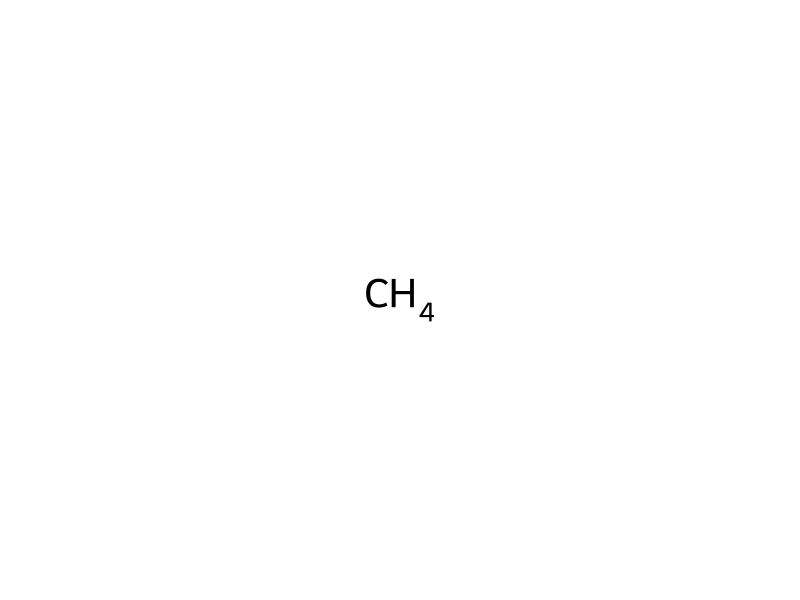
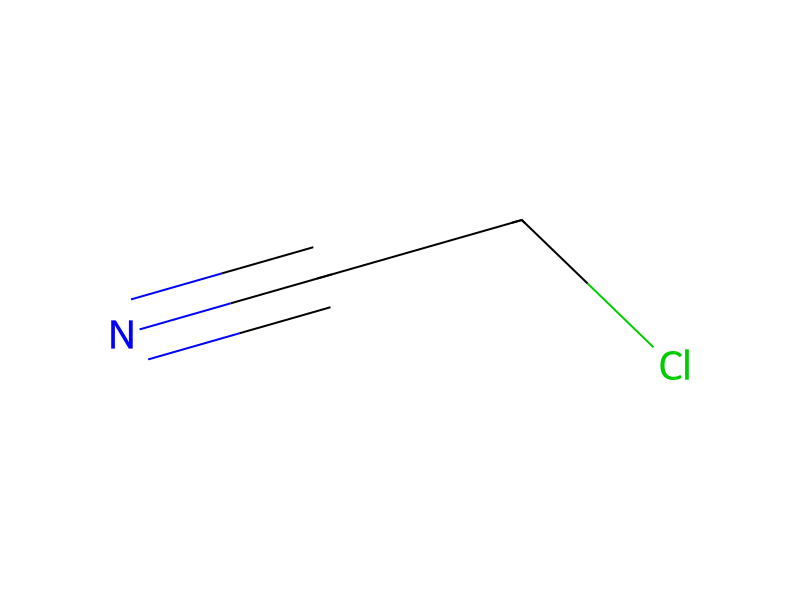
[Br:1][C:2]1[CH:3]=[C:4]([NH2:9])[C:5]([NH2:8])=[N:6][CH:7]=1.[Cl:10][CH2:11][C:12]#N.C>O>[Br:1][C:2]1[CH:3]=[C:4]2[N:9]=[C:12]([CH2:11][Cl:10])[NH:8][C:5]2=[N:6][CH:7]=13.0 g of 5-bromo-2,3-diaminopyridine (S.—X. Cai et al., J. Med. Chem. 1997, 40(22), 3679-3686) in 120 g of polyphosphoric acid are heated at 160° C. for 0.5 h. The solution is cooled to 100° C. and 1.26 ml of chloroacetonitrile are added. Thereafter, the reaction mixture is heated to 170° C. for 22 h. After cooling, the polyphosphoric acid is hydrolysed with 81 ml of water. After reheating to 90° C., charcoal is added under vigorous stirring. Subsequently, the suspension is filtered through a celite pad while still hot (70° C.). The filter cake is rinsed with 85 ml of water and the pH 4 using 9 M aqueous sodium hydroxide solution. The precipitate is collected, suspended in 100 ml of hot methanol and filtered over celite. The filtrate is concentrated to dryness to afford 2.78 g of the title compound as a beige, amorphous solid. M.p. >325° C. MS: 246.2/248.2/250.3 (MH+, 77%/100%/25%). TLC: Rf=0.42 (dichloromethane/methanol 10:1).
Loading…