Perchloric Acid → (S)-2-tert-butoxy-2-(1-chloro-3-methylnaphthalen-2-yl)ethyl pivalate
HRID 514003
Reaction equation

[C:1]([O:7][CH2:8][C@H:9]([C:11]1[C:20]([CH3:21])=[CH:19][C:18]2[C:13](=[CH:14][CH:15]=[CH:16][CH:17]=2)[C:12]=1[Cl:22])[OH:10])(=[O:6])[C:2]([CH3:5])([CH3:4])[CH3:3].Cl(O)(=O)(=O)=O>C(OC(C)(C)C)(=O)C>[C:1]([O:7][CH2:8][C@@H:9]([O:10][C:2]([CH3:4])([CH3:3])[CH3:1])[C:11]1[C:20]([CH3:21])=[CH:19][C:18]2[C:13](=[CH:14][CH:15]=[CH:16][CH:17]=2)[C:12]=1[Cl:22])(=[O:6])[C:2]([CH3:5])([CH3:4])[CH3:3]Participants
4


Procedure
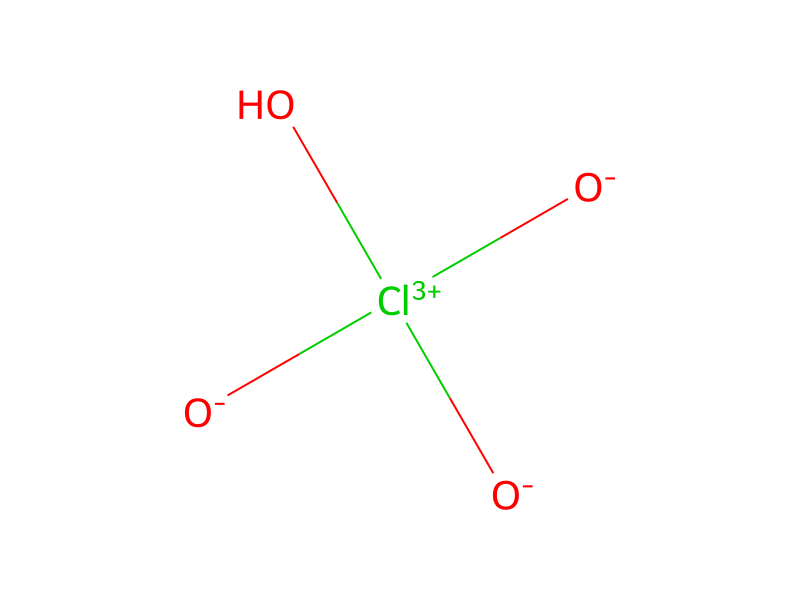
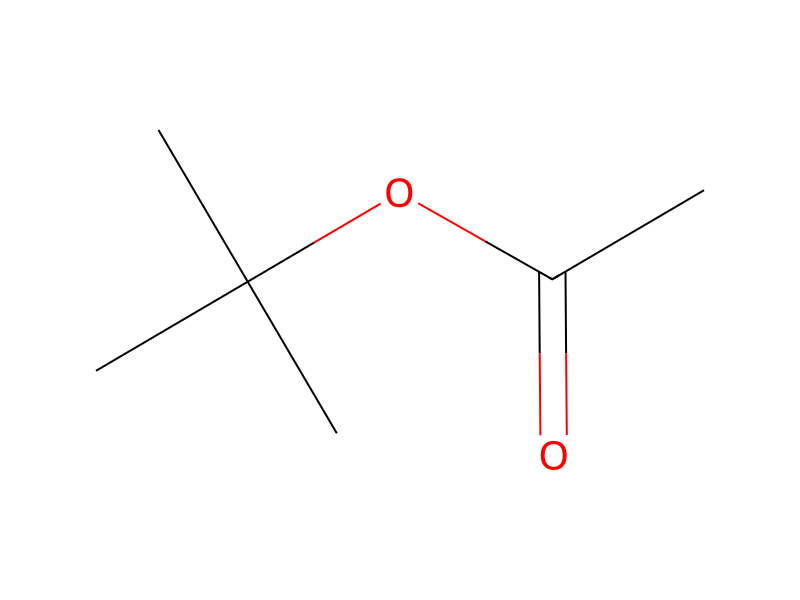
A solution of (S)-2-(1-chloro-3-methylnaphthalen-2-yl)-2-hydroxyethyl pivalate (4F) (1.13 g, 3.52 mmol) and perchloric acid, (70%, 0.605 mL, 7.04 mmol) in tert-butyl acetate (35 mL) was stirred at room temperature for 1.5 h. The reaction mixture was quenched with solid sodium bicarbonate (1.5 g) for 1 h. Saturated sodium bicarbonate solution was added and the reaction was extracted with ethyl acetate (3×). The combined organic layer was dried (MgSO4), filtered, concentrated and purified by flash column chromatography (silica gel, 0 to 20% ethyl acetate/hexanes) to give 4G as a colorless oil (1.1889 g, 90%).