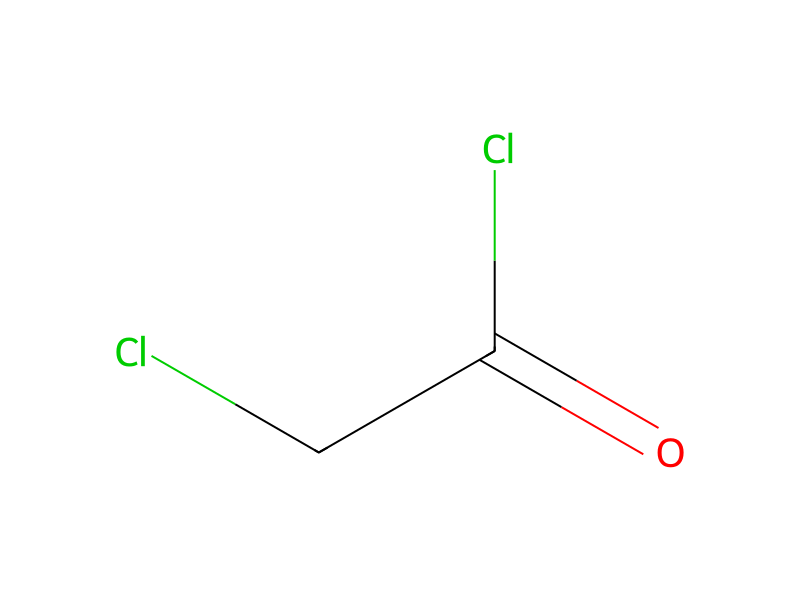
To a solution of diastereopure 3-((R)-1-phenylethylamino)-2-(4-bromophenyl)propan-1-ol (2.40 g, 7.18 mmol) in dichloromethane (22.0 ml) was added triethylamine (0.799 g, 7.90 mmol) and chloroacetyl chloride (0.892 g, 7.90 mmol) at 0° C. The mixture was stirred at 0° C. for one hour. The reaction mixture was partitioned between 0.5N—HCl and dichloromethane, and the organic layer was washed with brine, dried over sodium sulfate and concentrated in vacuo. To the residue dissolved into 2-propanol (48 ml) was added potassium hydroxide (805 mg, 14.4 mmol) at 0° C. The mixture was stirred at 0° C. for 3 hours and partitioned between saturated ammonium chloride solution and ethyl acetate. The organic layer was washed with brine, dried over sodium sulfate and concentrated in vacuo. The residue was purified by silica gel column chromatography (eluant: hexane/ethyl acetate=7/3) to afford (S)-6-(4-bromophenyl)-4-((R)-1-phenylethyl)-1,4-oxazepan-3-one as white solid (2.42 g, 90 W. An analytical sample for X-ray was obtained by crystallization from dichloromethane-hexane and the absolute configuration of 6-position was found to be the (S)-configuration.