Reaction equation

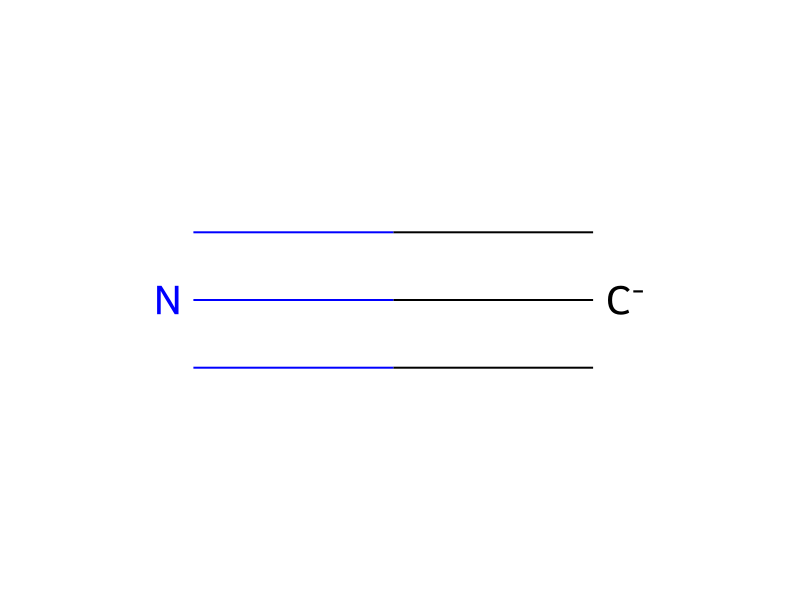
CC[C@@H]1[C@@H]2[N:9]3[CH2:11][CH2:12][C:13]4[C:17]5[CH:18]=[C:19](OC)[CH:20]=[CH:21][C:16]=5N[C:14]=4[C@@H]2C[C@@H](C3)C1.[S:24]1C=CC2C=CC=CC1=2.[C-]#N>>[C:11]([CH2:12][C:13]1[C:17]2[CH:18]=[CH:19][CH:20]=[CH:21][C:16]=2[S:24][CH:14]=1)#[N:9]Participants


Procedure
The synthesis of ibogaine analogs 7a-c is outlined in FIG. 2, wherein the benzo[b]thiophene is chloromethylated to yield 1, then reacted with cyanide ion to yield 3-cyanomethylbenzothiophene (2), which is reduced with LiAlH4 /AlCl3 to yield the corresponding primary amine 3. The latter was acetylated with acetic anhydride and the resulting amide was reduced with borane-tetrahydrofuran to yield 5. Refluxing of the 5 with a preselected styrene oxide in EtOH and subsequent cyclization of the corresponding secondary alcohol provided the compounds 7a, (R=H) 7b (R=NO2) and 7c (R=Br). The compounds were characterized by 1H NMR and purity was determined by combustion analysis. Cyclization was associated with a 0.1δ upfield shift in the methine proton signal. The hydrochlorides were prepared by passing HCl gas through a solution of the corresponding free bases in EtOH.
Workup
- customto yield 1
Sources & evidence
- ORD record
- ord-c286e71222034cb0b5b0e64e75d7209f
- Source dataset
- uspto-grants-1997_04
- Patent number
- US05616575
Linked notes
Loading…