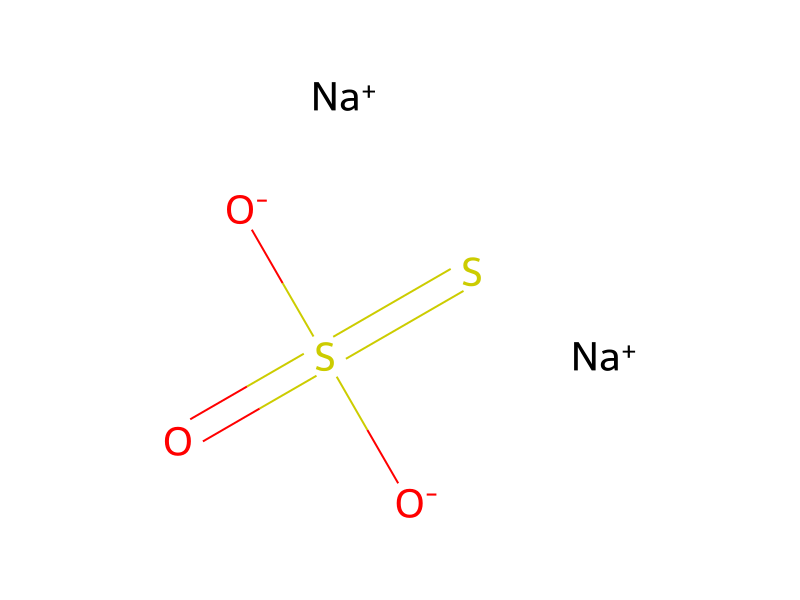
[CH3:1][C@H:2]1[CH2:7][O:6][CH2:5][CH2:4][N:3]1[C:8]1[N:16]=[C:15]2[C:11]([N:12]=[CH:13][NH:14]2)=[C:10]([N:17]2[CH2:22][CH2:21][O:20][CH2:19][C@H:18]2[CH3:23])[N:9]=1.[Br:24]Br.[O-]S([O-])(=S)=O.[Na+].[Na+]>C(Cl)Cl>[Br:24][C:13]1[NH:14][C:15]2[C:11]([N:12]=1)=[C:10]([N:17]1[CH2:22][CH2:21][O:20][CH2:19][C@H:18]1[CH3:23])[N:9]=[C:8]([N:3]1[CH2:4][CH2:5][O:6][CH2:7][C@@H:2]1[CH3:1])[N:16]=22-((S)-3-Methyl-morpholin-4-yl)-6-((R)-3-methyl-morpholin-4-yl)-9H-purine (786 mg, 2.47 mmol) were dissolved in CH2Cl2 (25 mL). Bromine (0.16 mL, 3.09 mmol) diluted in 2 mL of CH2Cl2 was added slowly within 2 minutes. The reaction mixture was stirred for 6 hours at room temperature. Aqueous Na2S2O3 (10 mL) was added to the reaction mixture, and stirring was continued for 15 minutes. The organic layer was washed with brine and aqueous NaHCO3. Drying over Na2SO4, filtering and concentration under reduced pressure gave a residue, which was purified by column chromatography (40 g SiO2, heptane/EtOAc in a gradient from 2/3 to 4/1) to give the product as a foam (455 mg, 46%).