HomeMCPWorkbenchSkills
HomeWorkbenchNotificationsMe
llms.txt · MCP GuidePrivacy Policy · Terms of Service · Supportv1.8.3
  1. Home
  2. /Reaction

Tetrahydrofuran → 4-bromo-3-chloro-7-(2-hydroxypropan-2-yl)-9H-carbazole-1-carboxamide

HRID 523205
Print

Reaction equation

HRID 523205 reaction equation
[Br:1][C:2]1[C:14]([Cl:15])=[CH:13][C:12]([C:16](=[O:18])[NH2:17])=[C:11]2[C:3]=1[C:4]1[CH:5]=[CH:6][C:7](C(OCC)=O)=[CH:8][C:9]=1[NH:10]2.[CH3:24][Mg]Cl.[NH4+].[Cl-].[CH2:29]1[CH2:33][O:32]CC1>CC(C)=O>[Br:1][C:2]1[C:3]2[C:4]3[C:9](=[CH:8][C:7]([C:33]([OH:32])([CH3:29])[CH3:24])=[CH:6][CH:5]=3)[NH:10][C:11]=2[C:12]([C:16]([NH2:17])=[O:18])=[CH:13][C:14]=1[Cl:15]
ParticipantsConditionsProcedureWorkupSources & evidenceReaction notes

Participants

6

Reactant 4

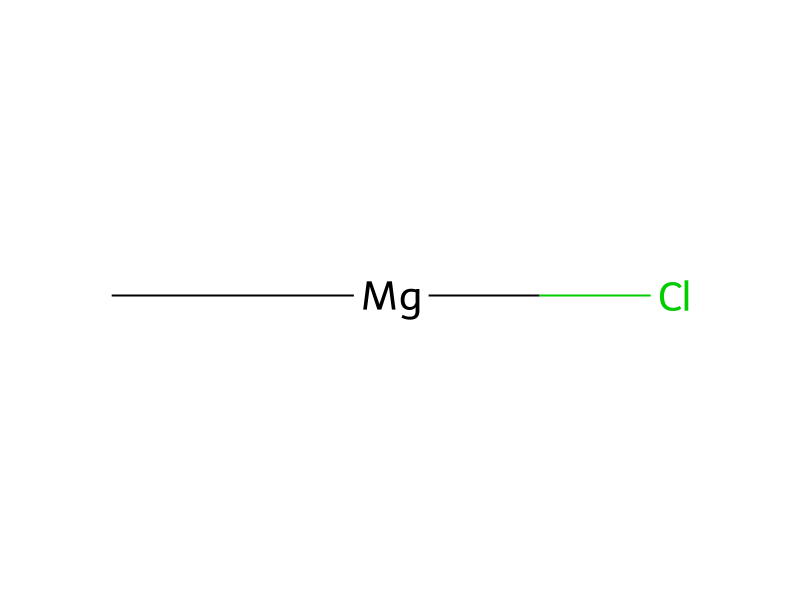
HCID 8028Tetrahydrofuran2×HCID 25517Ammonium ChlorideHCID 117760738ethyl 5-bromo-8-carbamoyl-6-chloro-9H-carbazole-2-carboxylate3×HCID 178418332HCID 178418332, compound

Product 1

HCID 1177612874-bromo-3-chloro-7-(2-hydroxypropan-2-yl)-9H-carbazole-1-carboxamide

Reagents, catalysts & solvents 1

HCID 180AcetoneSolvent

Conditions

Temperature
-15 °C

Procedure

A suspension of ethyl 5-bromo-8-carbamoyl-6-chloro-9H-carbazole-2-carboxylate (58.56 g, 148 mmol) in THF (700 mL) under nitrogen was cooled to −15° C. in an acetone-dry ice bath. The mixture was treated dropwise with 3 M methylmagnesium chloride in THF (395 mL, 1.19 mol) at a rate that the internal temperature remained between −15° C. and −10° C. After 5 h the mixture was poured into 3 vessels, each containing ca. 1.5 L of crushed ice and 500 mL of saturated aqueous NH4Cl. The resulting mixtures were extracted with EtOAc, and the combined organic phases were dried and concentrated. The residue was combined with material from two additional batches, one starting from 146 mmol of ethyl 5-bromo-8-carbamoyl-6-chloro-9H-carbazole-2-carboxylate and the other starting from 142 mmol of ethyl 5-bromo-8-carbamoyl-6-chloro-9H-carbazole-2-carboxylate, and stirred for 1 h in acetone (250 mL). The precipitate was collected by filtration, washed with hexane and dried to provide 4-bromo-3-chloro-7-(2-hydroxypropan-2-yl)-9H-carbazole-1-carboxamide as a solid (134.56 g). The filtrate was concentrated and the residue was again stirred for 1 h in acetone, forming a precipitate which was collected by filtration, washed with hexane and dried to give additional 4-bromo-3-chloro-7-(2-hydroxypropan-2-yl)-9H-carbazole-1-carboxamide as a solid (7.36 g) for a total of 141.92 g (88% yield). The filtrate from the second filtration was combined with impure material from other batches and subjected to column chromatography on silica gel (2×1.5 kg), eluting with EtOAc-hexanes (gradient from 40-100%), providing additional product.


Workup

  1. customremained between −15° C. and −10° C
  2. additionAfter 5 h the mixture was poured into 3 vessels
  3. extractionThe resulting mixtures were extracted with EtOAc
  4. customthe combined organic phases were dried
  5. concentrationconcentrated
  6. filtrationThe precipitate was collected by filtration
  7. washwashed with hexane
  8. customdried

Sources & evidence

ORD record
ord-8e520f04844e4b55b63fcf80b38a062a
Source dataset
uspto-grants-2016_05
DOI
10.6084/m9.figshare.5104873.v1
Patent number
US09334290B2

Reaction notes

On this pageParticipantsConditionsProcedureWorkupSources & evidenceReaction notes