HomeMCPWorkbenchSkills
HomeWorkbenchNotificationsMe
llms.txt · MCP GuidePrivacy Policy · Terms of Service · Supportv1.8.3
  1. Home
  2. /Reaction

Aniline → 3-Bromo-N-phenyl-1-(phenylsulfonyl)-1H-pyrrole-2-carboxamide

HRID 524992
Print

Reaction equation

HRID 524992 reaction equation
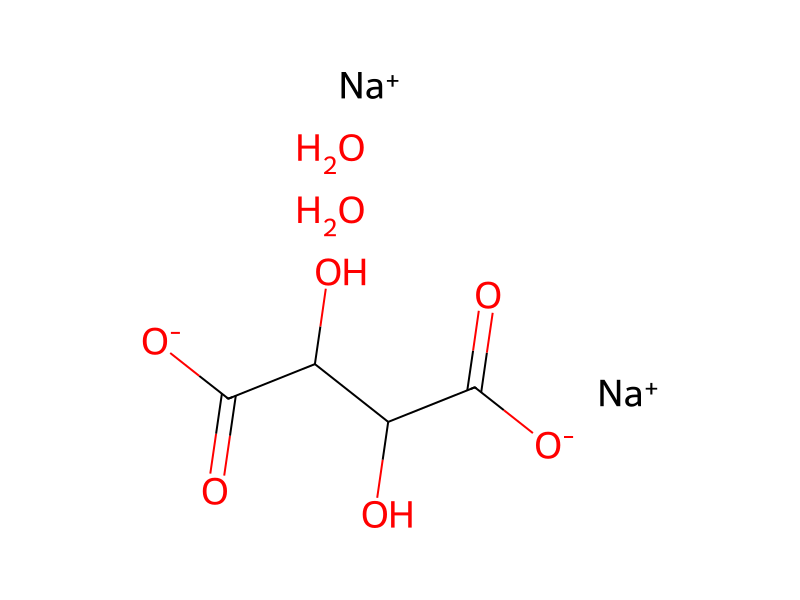
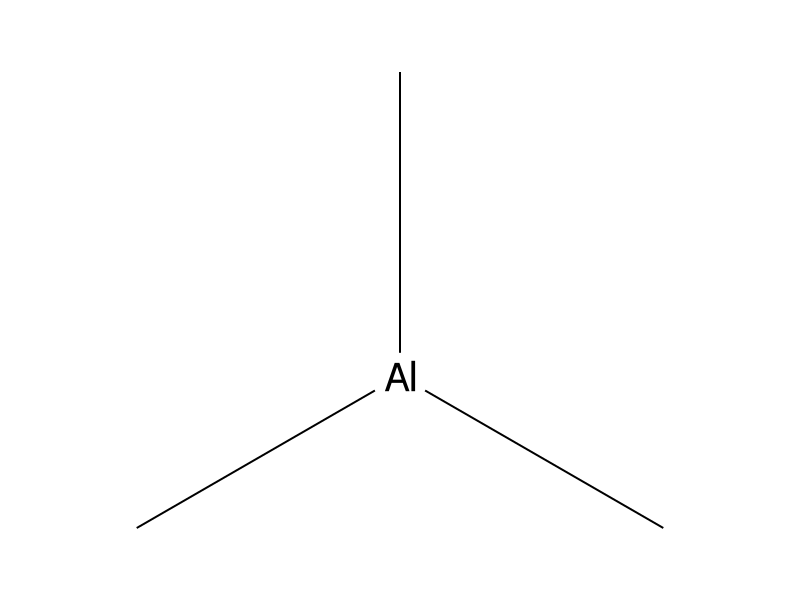
[NH2:1][C:2]1[CH:7]=[CH:6][CH:5]=[CH:4][CH:3]=1.C[Al](C)C.[Br:12][C:13]1[CH:17]=[CH:16][N:15]([S:18]([C:21]2[CH:26]=[CH:25][CH:24]=[CH:23][CH:22]=2)(=[O:20])=[O:19])[C:14]=1[C:27](OC)=[O:28].O.O.C(C(C(C([O-])=O)O)O)([O-])=O.[Na+].[Na+]>C1(C)C=CC=CC=1.O>[Br:12][C:13]1[CH:17]=[CH:16][N:15]([S:18]([C:21]2[CH:26]=[CH:25][CH:24]=[CH:23][CH:22]=2)(=[O:20])=[O:19])[C:14]=1[C:27]([NH:1][C:2]1[CH:7]=[CH:6][CH:5]=[CH:4][CH:3]=1)=[O:28]
ParticipantsProcedureWorkupSources & evidenceReaction notes

Participants

7

Reactant 4

HCID 6115AnilineHCID 517351Sodium tartrate-2-hydrateHCID 16682925Trimethylaluminum2×HCID 44518095Methyl 3-bromo-1-(phenylsulfonyl)-1H-pyrrole-2-carboxylate

Product 1

HCID 709789713-Bromo-N-phenyl-1-(phenylsulfonyl)-1H-pyrrole-2-carboxamideYield 114.7%

Reagents, catalysts & solvents

2
HCID 962WaterSolventHCID 1140TolueneSolvent2×

Procedure

In a three-necked round-bottom flask aniline (1.57 mL, 17.20 mmol) was dissolved in 80 mL of toluene under inert atmosphere. To this solution was added trimethy aluminium (7.82 mL, 15.64 mmol) and the mixture was stirred at room temperature during 10 minutes. Afterwards, a solution methyl 3-bromo-1-(phenylsulfonyl)-1H-pyrrole-2-carboxylate (2.0 g, 5.81 mmol) in 20 mL of toluene were added and the reaction mixtures was heated at 80° C. for 3 h. Next, the mixture was allowed to cool to room temperature and 20-30 mL of water was added to hydrolyze unreacted trimethyl aluminium and a 0,5M aqueous solution of disodium tartrate dihydrate was also added. After stirring for a while, the two layers were separated and the aqueous phase was extracted with ethyl acetate. The organic mixture was washed with the same 0,5M aqueous solution of disodium tartrate dehydrate (200 mL), water and brine, dried and concentrated in vacuum to afford 2.7 g of a residue that was used in the following step without further purification.

Workup

  1. customthe reaction mixtures
  2. temperaturewas heated at 80° C. for 3 h
  3. temperatureto cool to room temperature
  4. stirringAfter stirring for a while
  5. customthe two layers were separated
  6. extractionthe aqueous phase was extracted with ethyl acetate
  7. washThe organic mixture was washed with the same 0,5M aqueous solution of disodium tartrate dehydrate (200 mL), water and brine
  8. customdried
  9. concentrationconcentrated in vacuum

Sources & evidence

ORD record
ord-434824392d9f4be38e6a4fad389651c9
Source dataset
uspto-grants-2016_05
DOI
10.6084/m9.figshare.5104873.v1
Patent number
US09340547B2

Reaction notes

On this pageParticipantsProcedureWorkupSources & evidenceReaction notes