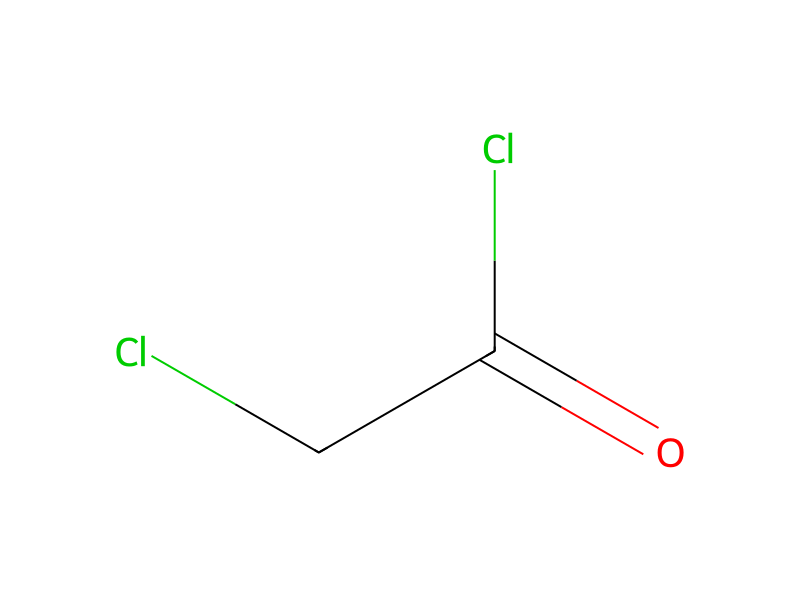
In a 250 mL round-bottomed flask, 2-(benzylamino)-1-(3-methoxyphenyl)ethanol (1.92 g, 7.46 mmol,) and TEA (831 mg, 1.14 ml, 8.21 mmol) were combined with dichloromethane (60 ml) to give a colorless solution. To this chloroacetyl chloride (927 mg, 657 μl, 8.21 mmol) in 10 mL dichloromethane was added dropwise at 0° C. After 1 h at 0° C. the reaction mixture was quenched with 1M aqueous HCl. The layers were separated, the aqueous layer extracted with dichloromethane. The combined organic layers were washed with 5% aqueous NaHCO3, dried over Na2SO4 and concentrated in vacuo. The crude intermediate N-benzyl-2-chloro-N-[2-hydroxy-2-(3-methoxy-phenyl)-ethyl]-acetamide (2.61 g, 7.82 mmol) was combined with isopropanol (50 ml) to give a light yellow solution. KOH (526 mg, 9.38 mmol) was added and the resulting solution was stirred at room temperature overnight. The reaction mixture was concentrated in vacuo. The crude product was partitioned between ethyl acetate and 0.5M aqueous HCl. The layers were separated and the aqueous phase was extracted with ethyl acetate. The combined ethyl acetate extracts were washed with brine, dried over MgSO4 and concentrated in vacuo to give 4-benzyl-6-(3-methoxyphenyl)-morpholin-3-one (2.3 g, 99%) which was directly used for next step without further purification. (M+H)+=298 m/e.