Reaction equation

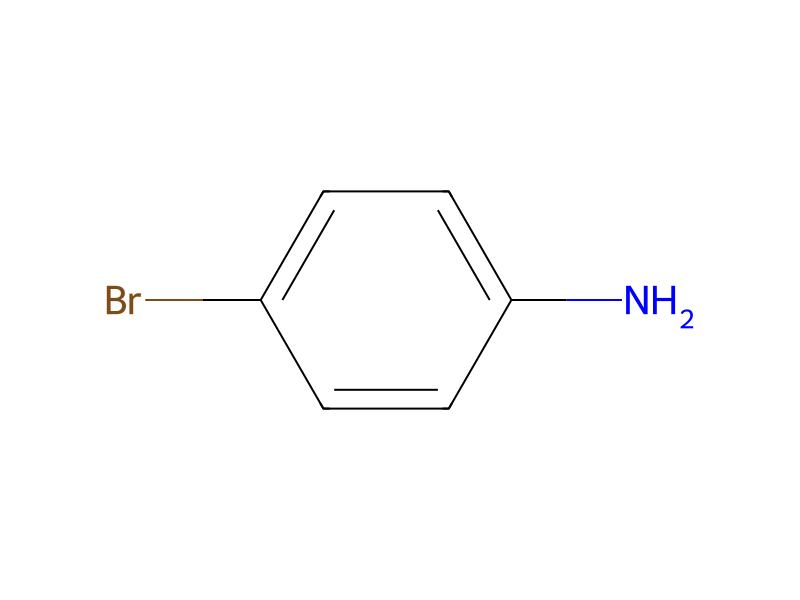
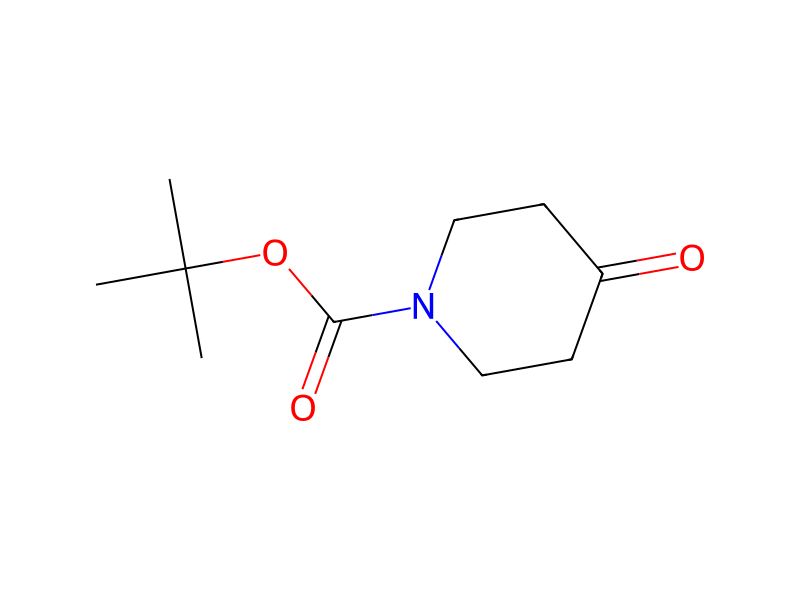
O=[C:2]1[CH2:7][CH2:6][N:5]([C:8]([O:10][C:11]([CH3:14])([CH3:13])[CH3:12])=[O:9])[CH2:4][CH2:3]1.[Br:15][C:16]1[CH:22]=[CH:21][C:19]([NH2:20])=[CH:18][CH:17]=1.[BH-](OC(C)=O)(OC(C)=O)OC(C)=O.[Na+]>C(O)(=O)C.ClC(Cl)C>[Br:15][C:16]1[CH:22]=[CH:21][C:19]([NH:20][CH:2]2[CH2:7][CH2:6][N:5]([C:8]([O:10][C:11]([CH3:14])([CH3:13])[CH3:12])=[O:9])[CH2:4][CH2:3]2)=[CH:18][CH:17]=1Participants
6




Procedure
Using similar reaction conditions as described in step-iii of example-133, tert-butyl 4-oxopiperidine-1-carboxylate (3 gm, 15.0 mmol) and 4-bromoaniline (2.59 gm, 15.0 mmol) were reacted using Na(OAc)3BH (105 mg, 0.494 mmol) and 3 drops of acetic acid in dichloroethane (80 mL) to afford 6.7 gm (crude) of the titled compound. MS: m/z=256.8 (M-Boc+1).
Workup
- customreaction conditions
- customwere reacted
Sources & evidence
- ORD record
- ord-7b05fc1244c24a98b9729c665c793f84
- Source dataset
- uspto-grants-2016_05
- Patent number
- US09353107B2
Linked notes
Loading…