Reaction equation

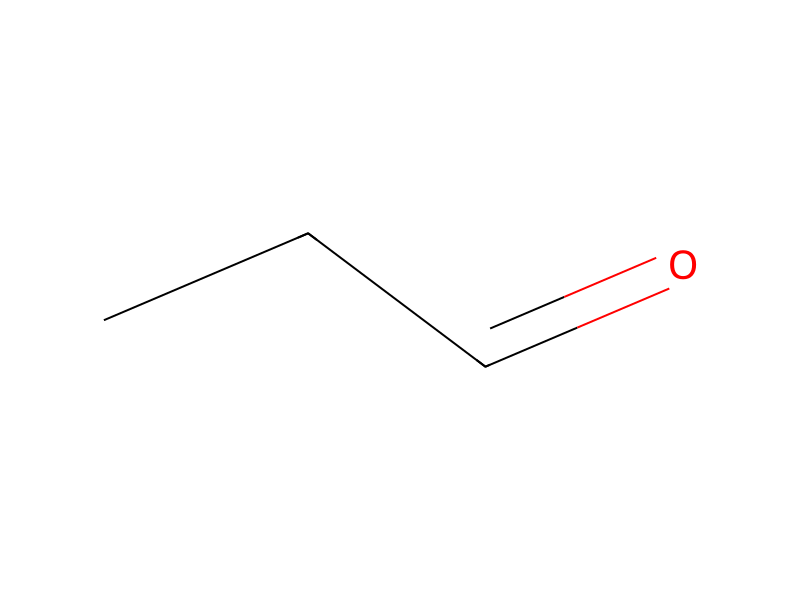
[CH:1](=O)[CH2:2][CH3:3].[C:5]1([C:11]2[CH2:12][CH2:13][N:14]([CH2:17][CH2:18][C:19]#[C:20][C:21]3[N:26]=[CH:25][C:24]([NH2:27])=[CH:23][CH:22]=3)[CH2:15][CH:16]=2)[CH:10]=[CH:9][CH:8]=[CH:7][CH:6]=1.C(O)(=O)C.C(O[BH-](OC(=O)C)OC(=O)C)(=O)C.[Na+]>ClC(Cl)C>[C:5]1([C:11]2[CH2:16][CH2:15][N:14]([CH2:17][CH2:18][C:19]#[C:20][C:21]3[N:26]=[CH:25][C:24]([NH:27][CH2:1][CH2:2][CH3:3])=[CH:23][CH:22]=3)[CH2:13][CH:12]=2)[CH:6]=[CH:7][CH:8]=[CH:9][CH:10]=1Participants
6
Reactant 4



Product 1

Reagents, catalysts & solvents 1

Procedure
A solution of propionaldehyde (0.18 mL, 2.5 mmol), 6-[4-(3,6-dihydro-4-phenyl-1(2H)-pyridinyl)-1-butynyl]-3-pyridinamine (Example 20) (0.83 g, 2.7 mmoL) and glacial acetic acid (0.14 mL, 2.5 mmol) in 20 mL of dichloroethane is treated with sodium triacetoxyborohydride (0.79 g, 3.7 mmol) under nitrogen and is stirred at room temperature for 18 hours. The reaction is quenched with saturated aqueous sodium bicarbonate, diluted with dichloromethane, and the organic layer is dried (sodium sulfate) and concentrated under reduced pressure. The residue is chromatographed (silica gel, 1% methanol/99% dichloromethane) to give the title compound, containing 0.20 mol of water; mp 138°-139° C.
Workup
- customThe reaction is quenched with saturated aqueous sodium bicarbonate
- additiondiluted with dichloromethane
- dry with materialthe organic layer is dried (sodium sulfate)
- concentrationconcentrated under reduced pressure
- customThe residue is chromatographed (silica gel, 1% methanol/99% dichloromethane)
Sources & evidence
- ORD record
- ord-6401e278add04c6080f07f800a18b1a1
- Source dataset
- uspto-grants-1997_04
- Patent number
- US05620988
Linked notes
Loading…