Acetoacetic Acid → 2H-Indol-2-one, 3-(1,3-dihydro-3-oxo-2H-indol-2-ylidene)-1,3-dihydro-
HRID 537334
Reaction equation

[NH:1]1[C:11]2[C:6](=[CH:7][CH:8]=[CH:9][CH:10]=2)[C:4](=[O:5])[C:2]1=O.[CH3:12][C:13]([CH2:15][C:16](O)=O)=O.[C:19]([O-:22])([O-])=O.[Na+].[Na+]>CO>[CH:13]1[CH:15]=[CH:16][C:2]2[NH:1][C:19]([OH:22])=[C:6]([C:2]3[C:4](=[O:5])[C:6]4[CH:7]=[CH:8][CH:9]=[CH:10][C:11]=4[N:1]=3)[C:4]=2[CH:12]=1Participants
5
Reactant 3
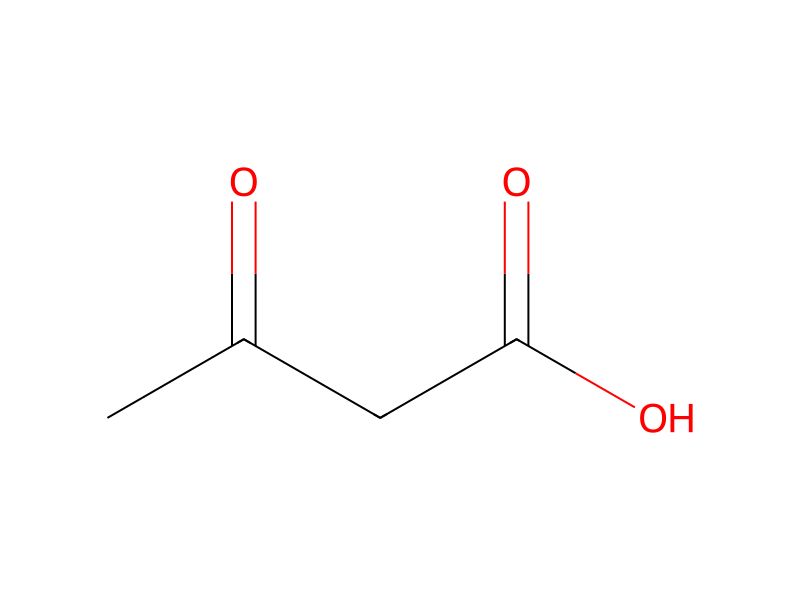


Product 1

Reagents, catalysts & solvents 1

Procedure
To a solution of isatin analogs (77 mg, 0.425 mmol) in methanol (5 ml) were added 5-substituted indoxy N, O diacetate (100 mg, 0.425 mmol) and the mixture was stirred for 5 min. Anhydrous Na2CO3 (112.5 mg, 1.06 mmol) was added, and the stirring was continued for 3 h at room temperature. The dark precipitate was filtered and washed with cold water, and dried under reduced pressure to give derivatives of 5,5-substituted indirubin, 7-10. The appropriate indirubin derivative (10 mg, 0.032 mmol) was dissolved in pyridine (0.3 ml) and added hydroxylamine hydrochloride (6.6 mg, 0.095 mmol). The reaction mixture was heated under reflux at 120° C. for 2 h. After cooling, the product was acidified with 1N HCl. The precipitation was filtered and washed with water to afford quantitatively the corresponding 3′-oxime selectively in a (2′Z, 3′E) form. The product was purified by silica gel column chromatography (Chloroform:Methanol=20:1).