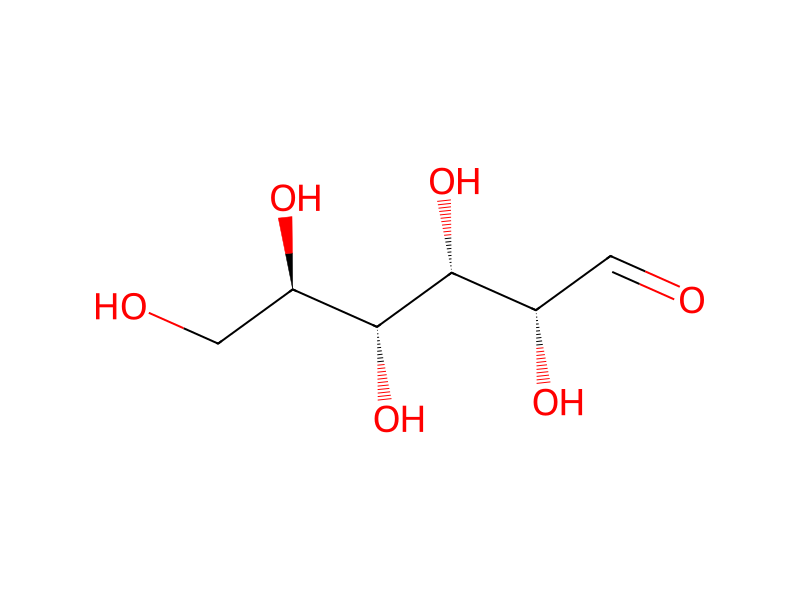
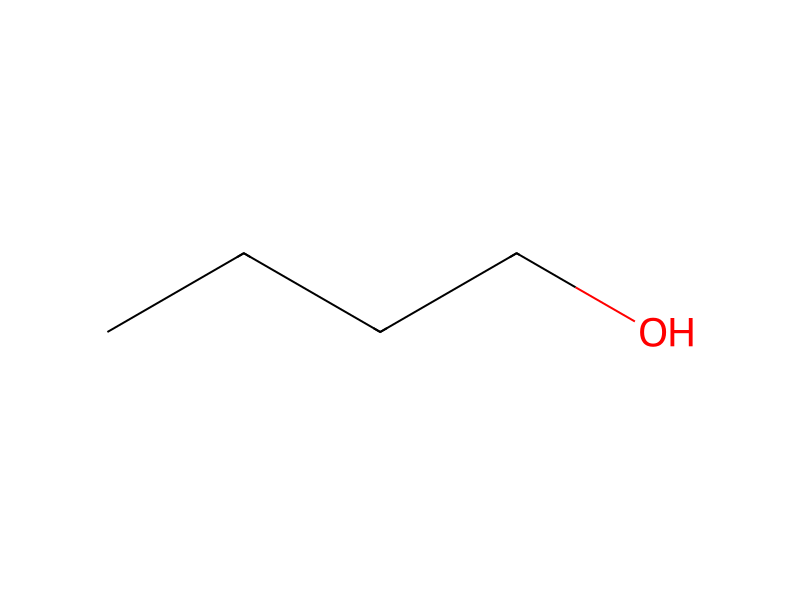
[NH2:1][C:2]1[CH:3]=[CH:4][C:5]([O:19][CH2:20][CH2:21][CH3:22])=[C:6]([C:8]2[NH:13][C:12](=[O:14])[C:11]([Br:15])=[C:10]([CH:16]([CH3:18])[CH3:17])[N:9]=2)[CH:7]=1.[O:23]=[CH:24][C@@H:25]([C@H:27]([C@@H:29]([C@@H:31]([CH2:33][OH:34])[OH:32])[OH:30])[OH:28])O>C(O)CCC.C(O)(=O)C>[Br:15][C:11]1[C:12](=[O:14])[NH:13][C:8]([C:6]2[CH:7]=[C:2]([NH:1][CH:33]3[CH:31]([OH:32])[CH:29]([OH:30])[CH:27]([OH:28])[CH:25]([CH2:24][OH:23])[O:34]3)[CH:3]=[CH:4][C:5]=2[O:19][CH2:20][CH2:21][CH3:22])=[N:9][C:10]=1[CH:16]([CH3:18])[CH3:17]The compound of example 34 (200 mg, 0.55 mmol) was dissolved in n-butanol (10 ml), and added with glucose (200 mg, 1 mmol) and one drop of glacial acetic acid. The reaction mixture was heated under nitrogen protection to reflux for 12 h. The cooled reaction mixture was concentrated to dryness, and added with dichloromethane. The organic layer was washed with saturated saline (20 ml×3), dried with anhydrous Na2SO4, and concentrated under reduced pressure. The residue was passed through a silica gel column to give the title compound (60 mg, yield: 21%). 1H NMR (DMSO-d6) δ: 7.47 (1H, d), 7.21 (1H, dd), 7.09 (1H, d), 4.31 (1H, d), 4.01 (3H, t), 3.63 (1H, d), 3.46 (1H, d), 3.09-3.29 (4H, m), 2.57 (2H, q), 2.46 (2H, q), 1.72 (2H, m), 1.18 (6H, d), 0.95 (3H, t).