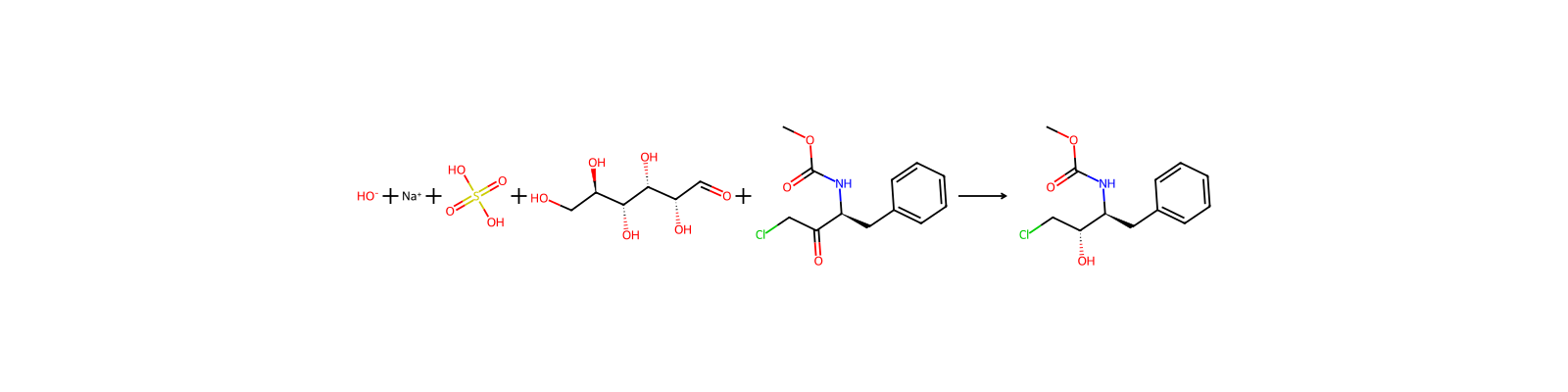
HRID 1430As reactant

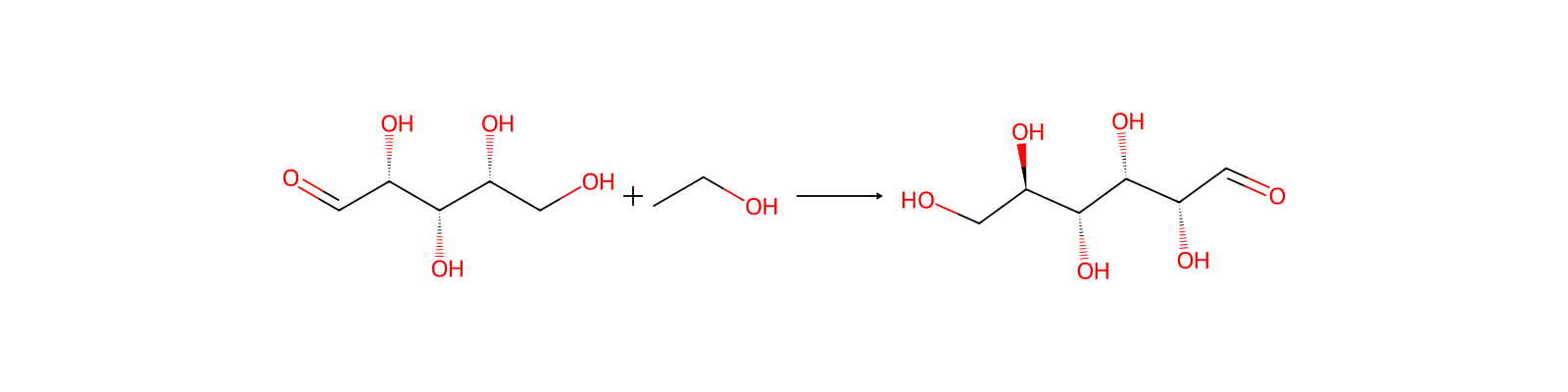
19030-38-7O=C[C@H](O)[C@@H](O)[C@H](O)[C@H](O)COGZCGUPFRVQAUEE-SLPGGIOYSA-NAldehydo-D-glucose is the open chain form of D-glucose. It is a D-glucose and an aldehydo-glucose. It is an enantiomer of an aldehydo-L-glucose.
19030-38-7、28823-03-2、50-99-7、58367-01-4、8027-56-3、815-92-9DTXSID4048729CHEMBL448805CHEBI:42758Safety information is for reference only and does not replace the supplier’s Safety Data Sheet (SDS), applicable regulations, or professional assessment.
Chemical: Liquid glucose
Liquid glucose: Does not have an individual approval but may be used as a component in a product covered by a group standard. It is not approved for use as a chemical in its own right.
Blood glucose is an obligatory energy source for humans involved in various cellular activities, and it also acts as a signaling molecule for diverse glucose-sensing molecules and proteins. Glucose undergoes oxidation into carbon dioxide, water, and yields energy molecules in the process of glycolysis and subsequent citric cycle and oxidative phosphorylation. Glucose is readily converted into fat in the body which can be used as a source of energy as required. Under a similar conversion into storage of energy, glucose is stored in the liver and muscles as glycogen. Glucose stores are mobilized in a regulated manner, depending on the tissues' metabolic demands. Oral glucose tablets or injections serve to increase the supply of glucose and oral glucose administration is more effective in stimulating insulin secretion because it stimulates the incretin hormones from the gut, which promotes insulin secretion.
Glucose supplies most of the energy to all tissues by generating energy molecules ATP and NADH during a series of metabolism reactions called glycolysis. Glycolysis can be divided into two main phases where the preparatory phase is initiated by the phosphorylation of glucose by hexokinase to form glucose 6-phosphate. The addition of the high-energy phosphate group activates glucose for the subsequent breakdown in later steps of glycolysis and is the rate-limiting step. Products end up as substrates for following reactions, to ultimately convert C6 glucose molecule into two C3 sugar molecules. These products enter the energy-releasing phase where the total of 4ATP and 2NADH molecules are generated per one glucose molecule. The total aerobic metabolism of glucose can produce up to 36 ATP molecules. These energy-producing reactions of glucose are limited to D-glucose as L-glucose cannot be phosphorylated by hexokinase. Glucose can act as precursors to generate other biomolecules such as vitamin C. It plays a role as a signaling molecule to control glucose and energy homeostasis. Glucose can regulate gene transcription, enzyme activity, hormone secretion, and the activity of glucoregulatory neurons. The types, number, and kinetics of glucose transporters expressed depends on the tissues and fine-tunes glucose uptake, metabolism, and signal generation to preserve cellular and whole body metabolic integrity.
The approximate half-life is 14.3 minutes following intravenous infusion. Gut glucose half-life was markedly higher in females (79 ± 2 min) than in males (65 ± 3 min, P < 0.0001) and negatively related to body height (r = -0.481; P < 0.0001).
Glucose can undergo aerobic oxidation in conjunction with the synthesis of energy molecules. Glycolysis is the initial stage of glucose metabolism where one glucose molecule is degraded into two molecules of pyruvate via substrate-level phosphorylation. These products are transported to the mitochondria where they are further oxidized into oxygen and carbon dioxide.
Polysaccharides can be broken down into smaller units by pancreatic and intestinal glycosidases or intestinal flora. Sodium-dependent glucose transporter SGLT1 and GLUT2 (SLC2A2) play predominant roles in intestinal transport of glucose into the circulation. SGLT1 is located in the apical membrane of the intestinal wall while GLUT2 is located in the basolateral membrane, but it was proposed that GLUT2 can be recruited into the apical membrane after a high luminal glucose bolus allowing bulk absorption of glucose by facilitated diffusion. Oral preparation of glucose reaches the peak concentration within 40 minutes and the intravenous infusions display 100% bioavailability.
Glucose can be renally excreted.
The mean volume of distribution after intravenous infusion is 10.6L.
The mean metabolic clearance rate of glucose (MCR) for the 10 subjects studied at the higher insulin level was 2.27 ± 0.37 ml/kg/min at euglycemia and fell to 1.51±0.21 ml/kg/ at hyperglycemia. The mean MCR for the six subjects studied at the lower insulin level was 1.91 ± 0.31 ml/kg/min at euglycemia.
DefinitionChEBI: Aldehydo-D-glucose is the open chain form of D-glucose. It is a D-glucose and an aldehydo-glucose. It is an enantiomer of an aldehydo-L-glucose.