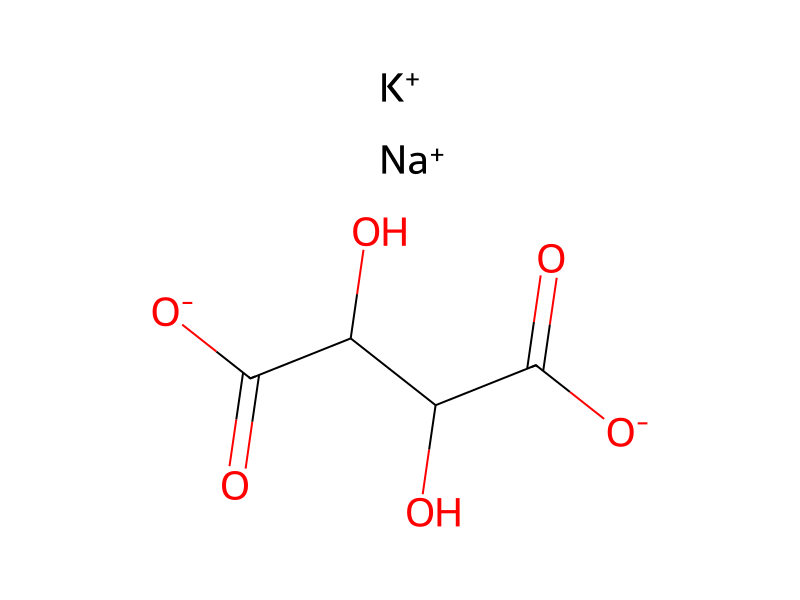
[Br:1][C:2]1[CH:6]=[N:5][N:4]([CH3:7])[C:3]=1[C:8]1[CH:9]=[C:10]([NH:16][C:17]([NH:19][C:20]2[CH:25]=[CH:24][C:23]([Cl:26])=[CH:22][CH:21]=2)=[O:18])[CH:11]=[CH:12][C:13]=1[O:14]C.[Al+3].[Cl-].[Cl-].[Cl-].CCOC(C)=O.C(C(C(C([O-])=O)O)O)([O-])=O.[Na+].[K+]>C(Cl)Cl>[Br:1][C:2]1[CH:6]=[N:5][N:4]([CH3:7])[C:3]=1[C:8]1[CH:9]=[C:10]([NH:16][C:17]([NH:19][C:20]2[CH:21]=[CH:22][C:23]([Cl:26])=[CH:24][CH:25]=2)=[O:18])[CH:11]=[CH:12][C:13]=1[OH:14]Compound 1, (1.56 g, 3.58 mmol) was dissolved in anhydrous CH2Cl2 (50 mL). The solution was stirred while cooling the temperature to 0° C. in an ice water bath. After allowing it to stir for another 10 minutes, AlCl3 (1.91 g, 14.32 mmol) was added slowly. This was followed by stirring the reaction for an additional 20 minutes, and subsequently increasing the temperature to 80° C. After one hour, the reaction was shown to be complete by TLC and LC/MS. It was worked up with EtOAc (2×50 mL) and 10% Potassium Sodium Tartrate (2×50 mL). Upon being treated to this work up, the aluminum was removed from the solution. The organic layer was then dried with Na2SO4, filtered, and the solvent was removed under reduced pressure. The residue was purified by HPLC to afford Compound 58 (402 mg, 27%): LCMS m/z (%)=423 (M+H37Cl, 100), 421 (M+H35Cl, 28). 1H NMR (400 MHz, DMSO-d6) δ 9.74 (s, 1H), 8.76 (s, 1H), 8.59 (s, 1H), 7.60 (s, 1H), 7.48 (d, J=8 Hz, 2H), 7.39 (dd, J1=8 Hz, J2=4 Hz, 1H), 7.32 (d, J=8 Hz, 2H), 7.28 (d, J=2 Hz, 1H), 6.96 (d, J=12 Hz, 1H), 3.67 (s, 3H).