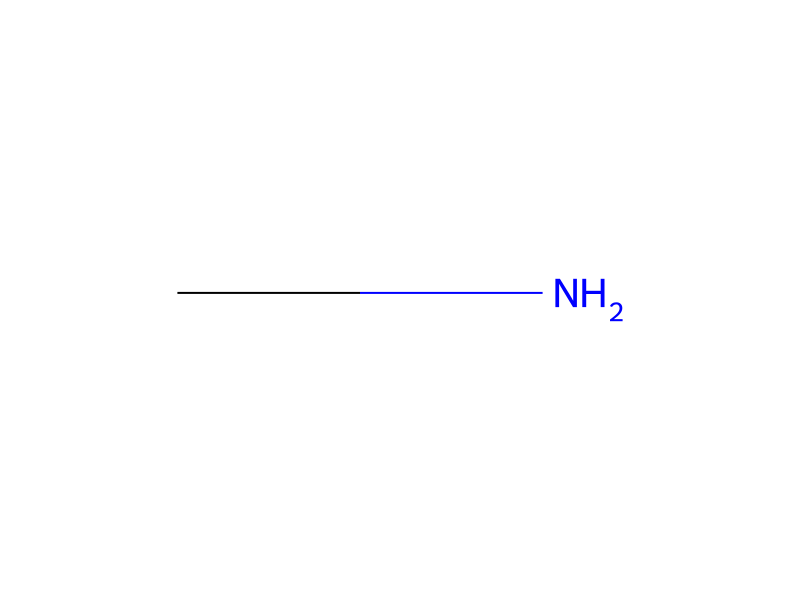
Methylamine → (6-Benzyloxy-3-nitroquinolinyl)methylamine
HRID 540844
Reaction equation

[CH3:1][NH2:2].[CH2:3]([O:10][C:11]1[CH:12]=[C:13]2[C:18](=[CH:19][CH:20]=1)[N:17]=[CH:16][C:15]([N+:21]([O-:23])=[O:22])=[C:14]2Cl)[C:4]1[CH:9]=[CH:8][CH:7]=[CH:6][CH:5]=1>O>[CH2:3]([O:10][C:11]1[CH:12]=[C:13]2[C:18](=[CH:19][CH:20]=1)[N:17]=[C:16]([CH2:1][NH2:2])[C:15]([N+:21]([O-:23])=[O:22])=[CH:14]2)[C:4]1[CH:9]=[CH:8][CH:7]=[CH:6][CH:5]=1Participants
4
Reactant 2

Product 1

Reagents, catalysts & solvents 1

Conditions
- Temperature
- 100 °C
Procedure
Methylamine (available as a 40% solution in water, 24 mL, 0.28 mol) was added to a solution of 6-benzyloxy-4-chloro-3-nitroquinoline (15.0 g, 48.5 mmol), prepared as described in Parts A-D of Example 2, in distilled water (300 mL), and the reaction was stirred at 100° C. for 1.5 hours. The reaction was allowed to cool to ambient temperature and stirred for four hours. A precipitate formed, which was isolated by filtration and washed with distilled water (3×60 mL). The solid was combined with material from another run and recrystallized from 2-propanol. The crystals were isolated by filtration, washed twice with cold hexanes, and dried for three days under high vacuum to provide 24.10 g of (6-benzyloxy-3-nitroquinolinyl)methylamine as yellow crystals.