Reaction equation
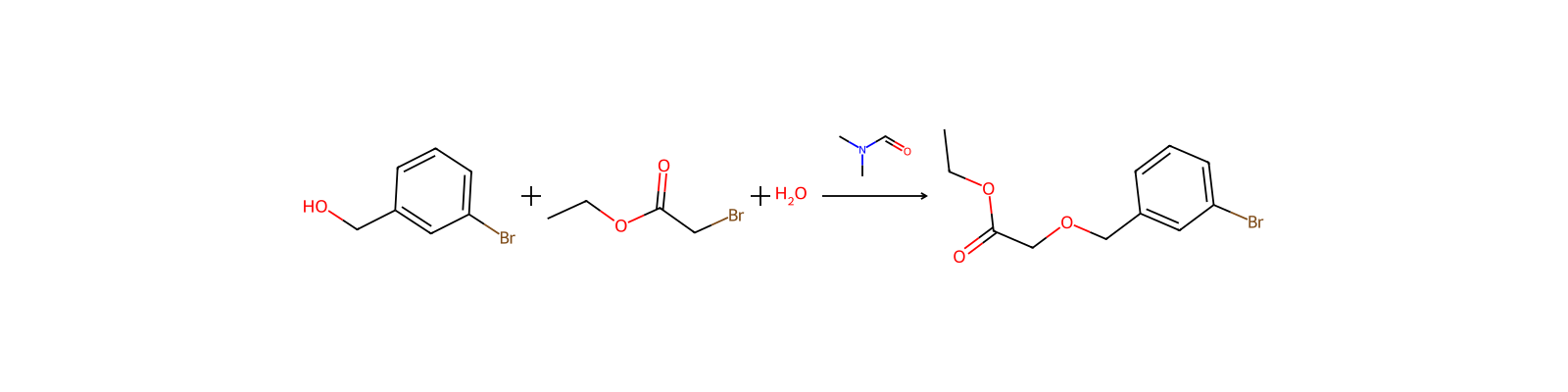
[Br:1][C:2]1[CH:3]=[C:4]([CH:7]=[CH:8][CH:9]=1)[CH2:5][OH:6].Br[CH2:11][C:12]([O:14][CH2:15][CH3:16])=[O:13].O>CN(C)C=O>[Br:1][C:2]1[CH:3]=[C:4]([CH:7]=[CH:8][CH:9]=1)[CH2:5][O:6][CH2:11][C:12]([O:14][CH2:15][CH3:16])=[O:13]Participants
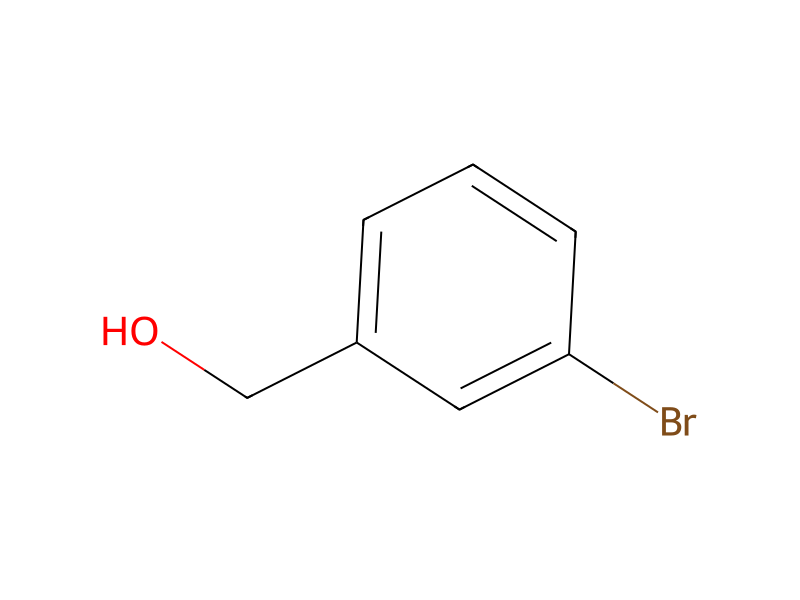
Reactant 3


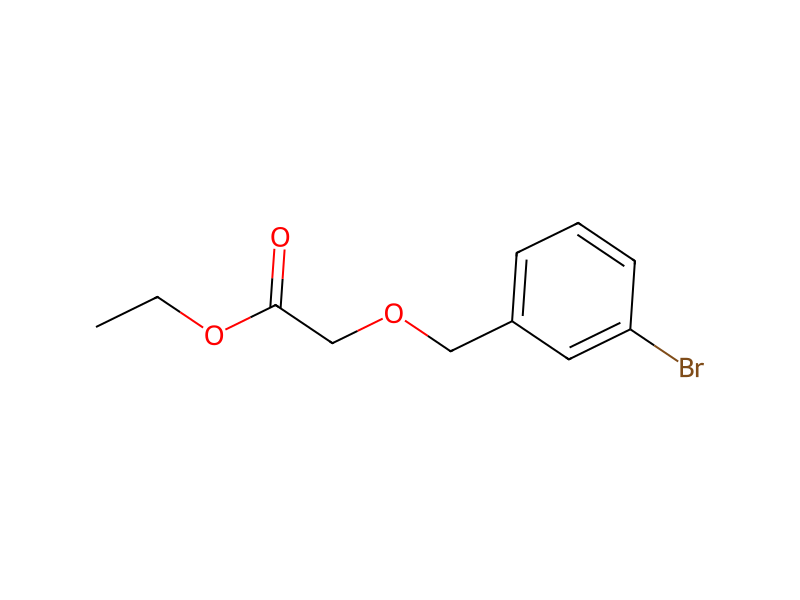
Product 1
Reagents, catalysts & solvents 1

Procedure
Part A: 3-Bromobenzyl alcohol (2.0 g) was dissolved in dimethyl formamide (50 ml) in a dry 100 ml flask under nitrogen. Sodium hydride (0.5 g of a 60% suspension in mineral oil, washed with hexane, 11.8 mmol) was added in portions and the mixture was stirred for one hour at room temperature. Ethyl bromoacetate (1.2 ml, 11.8 mmol) was added drop-wise and the reaction was stirred overnight at room temperature then mixed with water (150 ml) and extracted with methylene chloride (3×20 ml). The extracts were combined, washed with water (50 ml), saturated sodium chloride solution (50 ml) and then dried (MgSO4). The solution was filtered and concentrated and the residue was purified by flash chromatography (SiO2, gradient hexane to ethyl acetate) which gave 2.35 g (80%) of ethyl 3-bromobenzyloxyacetate as an oil.
Workup
- washSodium hydride (0.5 g of a 60% suspension in mineral oil, washed with hexane, 11.8 mmol)
- additionwas added in portions
- stirringthe reaction was stirred overnight at room temperature
- extractionextracted with methylene chloride (3×20 ml)
- washwashed with water (50 ml), saturated sodium chloride solution (50 ml)
- dry with materialdried (MgSO4)
- filtrationThe solution was filtered
- concentrationconcentrated
- customthe residue was purified by flash chromatography (SiO2, gradient hexane to ethyl acetate) which
Sources & evidence
- ORD record
- ord-4ee2eba34d474c2499c65a8ee03e448f
- Source dataset
- uspto-grants-1997_04
- Patent number
- US05622937
Linked notes
Loading…